

Sustainability · 2025
In this section49 topics
- Sustainability Policy2 items
- Sustainability Goals & UN SDGs3 items
- Policy Review2 items
- Business Value Chain1 item
- Stakeholder Analysis2 items
- Environmental Policy & Guidelines3 items
- Environmental Policy Review1 item
- Energy — Plan & Guidelines2 items
- Energy — Electricity Consumption1 item
- Energy — Fuel Consumption1 item
- Energy — Targets2 items
- Energy — Performance & Outcomes1 item
- Water — Plan & Guidelines2 items
- Water — Withdrawal, Discharge & Consumption1 item
- Water — Targets2 items
- Water — Performance & Outcomes1 item
- Waste — Plan & Guidelines2 items
- Waste — Generation, Disposal & Recycling1 item
- Waste — Targets2 items
- Waste — Performance & Outcomes2 items
- GHG — Plan & Guidelines2 items
- GHG — Emissions1 item
- GHG — Emissions Verification2 items
- GHG — Principles & Standards1 item
- GHG — Targets1 item
- GHG Targets — Other Targets1 item
- GHG — Performance & Outcomes1 item
- Environmental Legal Incidents1 item
- Social Policy & Guidelines3 items
- Social Policy Review1 item
- Social — Principles & Standards Practised1 item
- Human Rights Due Diligence2 items
- Employees — Plan & Guidelines3 items
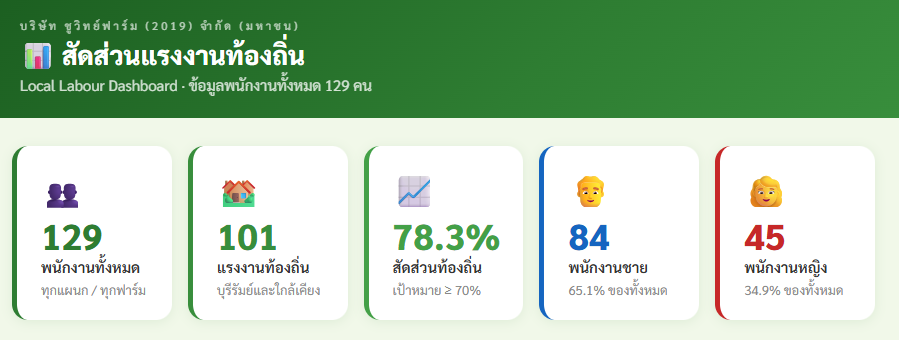
- Employees — Workforce1 item
- Employees — Remuneration & Provident Fund1 item
- Employees — Training & Development1 item
- Employees — Occupational Health & Safety1 item
- Employees — Labour Relations1 item
- Employees — Employee Representation1 item
- Employees — Targets1 item
- Employees — Performance & Outcomes2 items
- Customers — Plan & Guidelines3 items
- Customers — Satisfaction Results1 item
- Customers — Targets1 item
- Customers — Performance & Outcomes2 items
- Community & Social — Plan & Guidelines3 items
- Community & Social — Targets1 item
- Community & Social — Performance & Outcomes2 items
- Law Violation Incidents1 item
Sustainability Policy
Has a Sustainability Policy
Yes
Policy Description
Sustainable Development Policy
1. Objectives
Choowit Farm (2019) Public Company Limited ("the Company") recognizes the importance of good corporate governance. One of the Company's key objectives is sustainable development. To this end, the Company has established a Sustainable Development Policy to guide its business operations and strengthen its structure and management system, enabling the Company to develop and grow into a stable and sustainable organization. This policy encompasses all dimensions: economic, social, environmental, and respect for human rights. The Company has integrated the concept of sustainable development as a core principle in every step of its operational processes, disseminating this concept to various operational levels within the organization and integrating action plans to create interconnectedness, thereby achieving balance across economic, social, and environmental dimensions throughout the value chain. Value of Business (Value Chain) To achieve sustainable development, bringing maximum benefits to all stakeholder groups.
2. Sustainable Management Goals
The Board of Directors shall oversee that the Company's objectives, goals, and strategies are consistent with the Company's main objectives and goals, as well as the United Nations' Sustainable Development Goals (SDGs). The oversight guidelines are as follows:
1. The Board of Directors shall oversee that the preparation of annual strategies and action plans aligns with the Company's main objectives and goals, taking into account environmental, social (including respect for human rights), and comprehensive good corporate governance impacts. The Board will also support the monitoring and review of the implementation of established short-term, medium-term, and long-term strategies and goals to ensure that the Company's strategies and action plans achieve their intended objectives.
2. The Board of Directors shall oversee the analysis of environmental conditions, factors, and various risks that may affect relevant stakeholders throughout the business value chain when formulating annual strategies and action plans. This includes comprehensively considering factors that may impact the achievement of the Company's main objectives, with mechanisms in place to genuinely understand the needs of stakeholders.
3. The Board of Directors shall oversee the appropriate control of the Company's operations, as well as communicate the Company's main objectives and goals through strategies and action plans to all employees within the organization for their awareness and implementation.
3. Economic Development
1. Conduct business in accordance with good corporate governance principles, the Company's code of conduct, as well as relevant Company policies, regulations, announcements, and orders.
2. Adhere to principles of ethics and transparency in business operations and work performance, while complying with laws, regulations, rules, methods, and standards set by regulatory bodies and internationally accepted practices.
3. Continuously seek ways to develop and improve operational efficiency in all activities, as well as consistently create, invent, and develop new innovations and technologies, to ensure the Company possesses the qualifications and capabilities to be an industry leader.
4. Select and utilize modern technology in production to serve as an industry benchmark.
5. Efficiently manage risks in all aspects.
6. Promote and support partners, trade partners, and stakeholders throughout the business value chain to operate in accordance with sustainable development guidelines.
4. Social Development
The Company aims to create stability for society and communities, develop the skills and potential of employees to foster quality individuals for society, and generate employment, create careers, and distribute income to communities, thereby building a sustainable society under the following guidelines:
1. Uphold human rights and dignity, treating employees fairly and equally without discrimination based on race, skin color, religion, gender, age, nationality, sexual orientation, or any other grounds, to ensure employees have a good quality of life.
2. Foster a culture of fraternal coexistence, mutual reliance, support, and assistance within the organization.
3. Ensure the health and safety of employees, workers, and company assets without affecting the rights and safety of others, including protecting personal rights, safeguarding confidential information, disclosing information, and utilizing personal data.
4. Continuously promote and develop the potential of personnel within the organization, both in the short and long term.
5. Cooperate with government agencies and nearby communities in developing the well-being and environment of the community.
5. Environmental Development
The Company is committed to conducting environmentally friendly business and prioritizes environmental impacts. The Company emphasizes operations at every step according to the following guidelines:
1. Maximize the utilization of various resources, promote the use of solar energy as an alternative energy source, and continuously innovate and seek methods to reduce resource and energy consumption, as well as minimize the release of pollutants, waste, and greenhouse gases, to prevent, control, and reduce environmental, community, and social impacts to the lowest possible level.
2. Establish standards for facilities to be convenient, clean, safe, and to maximize green spaces.
The Company has demonstrated its commitment to sustainable operations across economic, social, and environmental dimensions through various key policies, such as:
- Principles of Good Corporate Governance
- Business Ethics Handbook (Code of Conduct)
- Risk Management Policy
- Corporate Social Responsibilities Policy (CSR)
- Anti-Corruption Policy
The aforementioned policies and guidelines are part of the Company's commitment to achieving sustainability goals. All directors, executives, and employees of the Company are responsible for supporting, driving, promoting, and adhering to the established sustainable development policies, as well as encouraging trade partners and business partners to apply and adapt these policies in their operations related to the Company, in order to collectively build a stable and growing sustainable society.
Sustainability Goals & UN SDGs
Has Sustainability Goals
Yes
Goals Description
1. Environmental Development
The company focuses on environmentally friendly business operations and prioritizes environmental impacts. The company emphasizes every step of its operations, with the following guidelines for practice:
- The company establishes standards for its establishments to be convenient, clean, safe, and to maximize green spaces.
- The company has energy-saving measures by switching to energy-efficient LED light bulbs.
- The company has departments and external parties, purchasing chicken manure mixed with sawdust which as a byproduct obtained from raising chickens to be used for research for biogas production and for research and development of mixtures components for agricultural fertilizer production
2. Social Development
The company focuses on creating stability for society and communities, developing the skills and potential of employees within the organization to produce quality individuals for society, as well as creating jobs, careers, and distributing income to communities to build a sustainable society, under the following guidelines:
- The company adheres to human rights principles and treats employees fairly and equally, without discrimination based on race, skin color, religion, gender, age, nationality, sexual orientation, or any other factor, to ensure a good quality of life for employees within the organization.
- The company fosters a culture of fraternal coexistence, mutual reliance, support, and assistance within the organization.
- The company considers the hygiene and safety of employees, workers, and company assets, without affecting the rights and safety of others, including protecting personal rights, maintaining confidential information, disclosing information, and utilizing personal data.
- The company continuously promotes and develops the potential of personnel within the organization, both in the short and long term.
- The company cooperates with government agencies and nearby communities in developing the well-being and environment of the community.
- The company has provided lunch to schools within a 10-kilometer radius of each farm.
- The company consistently promotes and supports arts and culture in the community.
- The company has a policy regarding chicken feed management. If leftover feed does not exceed 100 kilograms, the company will instruct the support department to use the leftover feed for CSR activities for communities near the farm.
- The company supports and provides opportunities for people with disabilities to work.
3. Economic Development
- The company conducts its business based on good corporate governance, adhering to principles of ethics and transparency in business operations and practices, while complying with laws, regulations, rules, methods, and standards set by regulatory bodies and internationally accepted practices.
- The company continuously seeks approaches to develop and improve operational efficiency in all activities, as well as continuously creates, invents, and develops new innovations and technologies, to ensure the company possesses the qualifications and capabilities to be a leader in the industry.
- The company selects modern technology for production, implementing Smart Farm management to serve as an industry prototype.
- The company effectively manages risks in all aspects.
- The company promotes and supports partners, trade partners, and stakeholders throughout the business value chain to conduct business according to sustainable development guidelines.
UN Sustainable Development Goals
| SDG Goal |
|---|
| Goal 1 No Poverty |
| Goal 1 No Poverty |
| Goal 2 Zero Hunger |
| Goal 2 Zero Hunger |
| Goal 3 Good Health and Well-being |
| Goal 3 Good Health and Well-being |
| Goal 4 Quality Education |
| Goal 4 Quality Education |
| Goal 5 Gender Equality |
| Goal 5 Gender Equality |
| Goal 6 Clean Water and Sanitation |
| Goal 6 Clean Water and Sanitation |
| Goal 7 Affordable and Clean Energy |
| Goal 7 Affordable and Clean Energy |
| Goal 8 Decent Work and Economic Growth |
| Goal 8 Decent Work and Economic Growth |
| Goal 9 Industry, Innovation and Infrastructure |
| Goal 10 Reduce Inequalities |
| Goal 10 Reduce Inequalities |
| Goal 11 Sustainable Cities and Communities |
| Goal 11 Sustainable Cities and Communities |
| Goal 12 Responsible Consumption and Production |
| Goal 12 Responsible Consumption and Production |
Policy Review
Policy Reviewed This Year
Yes
Policy Changed This Year
No
Business Value Chain
Value Chain Description
Objectives
Chuwit Farm (2019) Public Company Limited (“the Company”) recognizes the importance of stakeholder relationships in its business operations from upstream to downstream. The Company is committed to creating value for its products to meet the expectations of all stakeholders. Therefore, the Company has established a policy for managing impacts on stakeholders in the business value chain to achieve sustainable development, create a balance in economic, social, and environmental dimensions throughout the supply chain, and bring maximum benefits to all stakeholder groups.
Stakeholder Analysis
Introduction
The company has thoroughly considered, analyzed, and evaluated the expectations of stakeholders in the business value chain to meet the expectations of both internal and external stakeholders related to the business value chain. The summary is as follows:
Stakeholder Analysis
| Stakeholder Type | Stakeholders | Stakeholder Expectations | Response to Expectations | Communication Activities |
|---|---|---|---|---|
| External stakeholders | 2904 · Description: Investors or investment institutions · 2905 · Description: Analysts · 2913 · Description: Shareholders | - Good returns.
- Good corporate governance.
- The business has continuous and stable growth.
- The information received is accurate, complete, up-to-date, and transparent.
- Having a risk management system.
- Have a good inspection and control system. | - Transparent, fair, and verifiable governance.
- Pay reasonable returns.
- Disclose information transparently.
- Develop business strategic plans.
- Manage risks prudently. | 2938 · Description: Visit · 2939 · Description: Press Release · 2941 · Description: Online Communication · 2944 · Description: Annual General Meeting (AGM) |
| External stakeholders | 2899 · Description: Suppliers · 2900 · Description: Business partners | - Contract and agreement compliance
- Conducting business together with transparency, fairness, and equality
- Maintaining confidentiality of partner information | - Building strong relationships, fostering trust, and focusing on long-term business partnerships.
- Evaluating satisfaction across all breeding models to ensure maximum satisfaction for business partners.
- Enforcing strict confidentiality of partner information. | 2941 · Description: Online Communication · 2943 · Description: External Meeting · 2947 · Description: Satisfaction Survey · 2948 · Description: Training / Seminar |
| External stakeholders | 2902 · Description: Community · 2928 · Description: Society | -
Reduce environmental impact on surrounding communities.
-
Collaborate in community development, create jobs, and generate income to enhance the stability of surrounding communities. | - Adhering to safety and occupational health practices in the workplace.
- Enhancing the efficiency of resource utilization and mitigating greenhouse gas emissions.
- Assessing community satisfaction.
- Fostering awareness and responsibility towards the community, society, and the environment. | 2940 · Description: Social Event · 2941 · Description: Online Communication · 2945 · Description: Complaint Reception · 2947 · Description: Satisfaction Survey |
| Internal stakeholders | 2921 · Description: Employees | - Good compensation with opportunities for career advancement, including company stability.
- Suitable work environment and space.
- Adequate and well-maintained equipment for work.
- Occupational safety and well-being. | - Providing training and development programs to enhance employees' skills and knowledge continuously.
- Organizing joint activities between management and employees.
- Establishing policies and plans for human resource development.
- Defining guidelines and practices for safety and occupational health in the workplace.
- Developing a Succession Plan to map out career growth paths for key positions. | 2941 · Description: Online Communication · 2942 · Description: Internal Meeting · 2946 · Description: Employee Engagement Survey · 2948 · Description: Training / Seminar |
Environmental Policy & Guidelines
Has an Environmental Policy
Yes
Policy Description
Environmental Policy and Practices
The Company establishes an environmental policy, continuously prioritizing environmental aspects to ensure that customers, communities, society, and stakeholders recognize the Company's awareness and commitment. The Company manages environmental aspects and prevents pollution in all work operations, in compliance with the ISO 45001 Occupational Health and Safety Management System standard and the ISO 14001 Environmental Management System standard, which the Company has also obtained. The Company will adhere to the following practices:
-
The Company will strictly comply with relevant environmental laws, regulations, and announcements.
-
The Company will protect the environment and prevent pollution resulting from its operations that may impact the environment.
-
The Company will promote and support environmental activities to foster knowledge, understanding, and environmental awareness among executives and employees, and disclose them to the public.
Environmental Guidelines
| Guideline |
|---|
| Electricity Management |
| Fuel Management |
| Water Management |
| Waste Management |
| Greenhouse Gas and Climate Change Management |
| Air Quality Management |
Environmental Policy Review
Policy Reviewed This Year
Yes
Energy — Plan & Guidelines
Has an Energy Management Plan
Yes
Plan Description
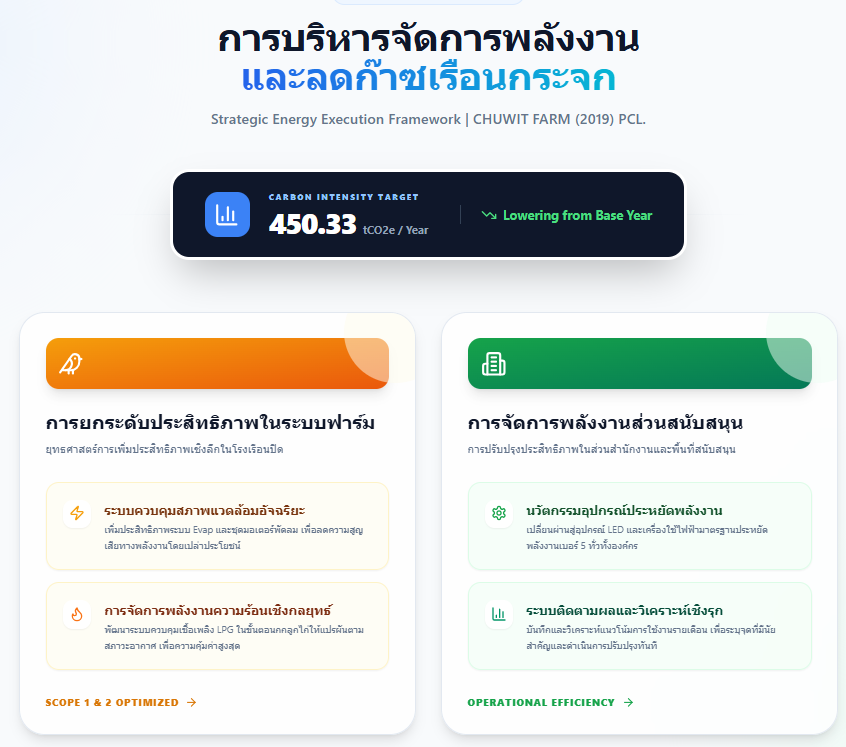
The company focuses on enhancing energy efficiency throughout the production chain to reduce environmental impact and support the goal of becoming a low-carbon organization. This is achieved by adhering to the principle of maximizing resource utilization while maintaining international standards for animal welfare and production quality.
-
Enhancing efficiency in farm systems (Operational Efficiency)
Smart Air Conditioning System (Evaporative Cooling System): <77KtAnvlYs8C_space>
Thermal Energy Management: Study and develop an LPG gas usage control system or solar power solar cell in the chick brooding process, correlating with external temperatures to reduce fuel consumption at the point with the highest Scope 1 emissions.
-
Energy management in offices and support areas
Energy Saving Measures: Promote and install energy-saving electrical equipment (e.g., LED bulbs) in offices and support areas.
Energy — Electricity Consumption
Electricity Consumption
| Metric | Current Year | Previous Year | Two Years Ago |
|---|---|---|---|
| Total electricity consumption within the organization (Kilowatt-Hours) | 5,141,688.79 | 5,645,883.63 | 5,465,397.86 |
| Electricity purchased for consumption from non-renewable energy sources (Kilowatt-Hours) | 5,141,688.79 | 5,645,883.63 | 5,465,397.86 |
| Electricity purchased or generated for consumption from renewable energy sources (Kilowatt-Hours) |
Energy — Fuel Consumption
Fuel Consumption
| Metric | Current Year | Previous Year | Two Years Ago |
|---|---|---|---|
| Crude oil (Barrels) | |||
| Coal (Metric tonnes) | |||
| Jet fuel (Litres) | |||
| Diesel (Litres) | 331,611.58 | 339,674 | 321,079.4 |
| Gasoline (Litres) | 5,255 | 4,790 | 4,390 |
| Fuel oil (Litres) | |||
| Natural gas (Standard cubic feet) | |||
| LPG (Kilograms) | 170,112 | 102,768 | 144,816 |
| Steam (Metric tonnes) |
Energy — Targets
Has Set Targets
Yes
Targets
| Target | Base Year | Base Year Value | Target Year | Target Change (%) | Unit |
|---|---|---|---|---|---|
| Reduction of electricity purchased for consumption | 2,025 | 5,141,688.79 | 2,027 | 5 | Kilowatt-hour |
Energy — Performance & Outcomes
Has Performance Results
No
Water — Plan & Guidelines
Has a Water Management Plan
Yes
Plan Description
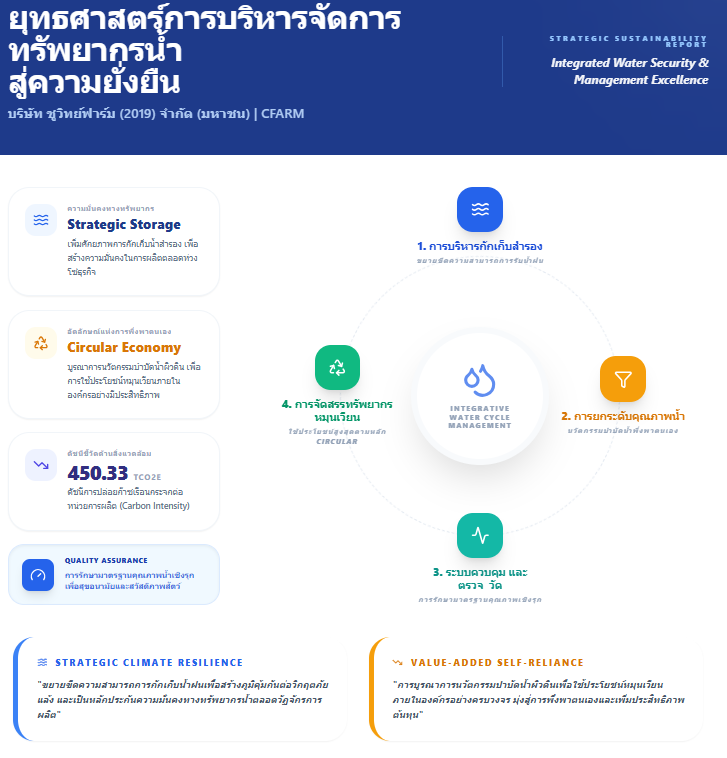
Chuwit Farm (2019) Public Company Limited is committed to operating its business on the foundation of sustainability, emphasizing integrated water resource management to create resource security and maximize operational efficiency (Integrated Water Security & Management).
-
Resource Security (Strategic Storage): Develop the potential and expand the capacity of reserve water storage to build confidence and stability in the production process throughout the business chain.
-
Identity of Self-Reliance (Circular Economy): Integrate innovative surface water quality enhancement for complete internal circular utilization, focusing on self-reliance without disturbing external water resources.
-
Environmental Performance Indicators: Achieve the target for greenhouse gas emissions per unit of production (Carbon Intensity) at 450.33 tCO2e which shows a continuous downward trend compared to the base year.
-
International Standard Quality Assurance: Upgrade proactive water quality monitoring systems to maintain international standards for hygiene and animal welfare.
Integrative Water Cycle Management
The company manages water for maximum effectiveness by Closed-loop System: 4 Key Steps for Maximum Efficiency:
-
Reserve Storage Management: Increase the area and capacity for natural rainwater harvesting through the reserve pond dredging project.
-
Water Quality Enhancement: Utilize innovative surface water treatment to meet appropriate standards for on-farm use, aiming for 100% self-reliance.
-
Control and Monitoring System: Regularly inspect and proactively control water quality standards for safety at every stage of production.
-
Circular Resource Allocation: Manage and circulate used water for maximum benefit in green areas according to circular economy principles.
Water — Withdrawal, Discharge & Consumption
Water Withdrawal, Discharge & Consumption
| Metric | Current Year | Previous Year | Two Years Ago |
|---|---|---|---|
| Total water withdrawal (Cubic meters) | 327,258.28 | 316,667.63 | 341,811.96 |
| Total water withdrawal by third-party water (Cubic meters) | 4,249 | 3,122 | 1,198 |
| Total water withdrawal by surface water (Cubic meters) | 292,912 | 285,728.63 | 310,015.26 |
| Total water withdrawal by groundwater (Cubic meters) | 30,097.28 | 27,817 | 30,598.7 |
| Total water withdrawal by seawater (Cubic meters) | |||
| Total water withdrawal by produced water (Cubic meters) | |||
| Percentage of wastewater treated before discharge (%) | 100 | 100 | 100 |
| Total water discharge (Cubic meters) | 0 | 0 | 0 |
| Total water discharge to third-party water (Cubic meters) | 0 | 0 | 0 |
| Total water discharge to surface water (Cubic meters) | 0 | 0 | 0 |
| Total water discharge to groundwater (Cubic meters) | 0 | 0 | 0 |
| Total water discharge to seawater (Cubic meters) | |||
| Total water consumption (Cubic meters) | 327,258.28 | 316,667.63 | 341,811.96 |
| Recycled water (Cubic meters) |
Water — Targets
Has Set Targets
Yes
Targets
| Target | Base Year | Base Year Value | Target Year | Target Change (%) | Unit |
|---|---|---|---|---|---|
| Reduction of water consumption | 2,025 | 327,258.28 | 2,026 | 5 | Cubic meters |
Water — Performance & Outcomes
Has Performance Results
No
Waste — Plan & Guidelines
Has a Waste Management Plan
Yes
Plan Description
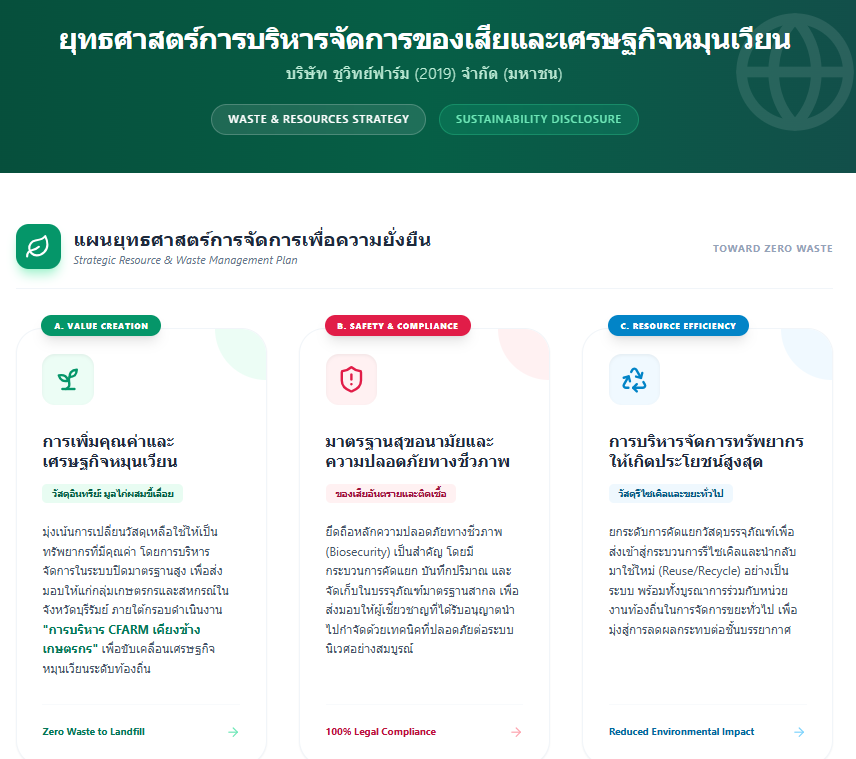
The Company is committed to conducting business in conjunction with environmental responsibility, aiming for a "Toward Zero Waste" goal through the management of 3 key initiatives as follows:
1. Value Creation and Circular Economy (Value Creation: Circular Economy)
The Company focuses on transforming waste materials from production processes into valuable resources, particularly "Chicken manure mixed with sawdust" which is the main organic material from the farm
-
Operational Guidelines: Managed in high-standard closed-system poultry houses for collection and delivery to farmer groups and agricultural cooperatives in Buriram Province.
2. Hygiene and Biosecurity Standards (Safety & Compliance: Biosecurity)
The Company places the highest priority on biosecurity principles in the management of hazardous and infectious waste to prevent impacts on ecosystems and communities.
-
Operational Guidelines: Strict sorting processes are established, quantities are recorded, and materials are stored in sealed international standard packaging before being delivered to legally authorized specialists (Licensed Collectors) for disposal using safe techniques.
3. Maximizing Resource Utilization (Resource Efficiency: Environmental Impact)
Focuses on efficient management of recyclable materials and general waste to reduce the organization's ecological footprint.
-
Operational Guidelines: Systematically enhance the sorting of packaging materials for reuse/recycling processes, while integrating cooperation with local administrative organizations in general waste management according to environmental standards.
Waste — Generation, Disposal & Recycling
Waste Generation, Disposal & Recycling
| Metric | Current Year | Previous Year | Two Years Ago |
|---|---|---|---|
| Total waste generated (Kilograms) | 28,643.8 | 37,143 | 55,920 |
| Non-hazardous waste (Kilograms) | 27,010 | 35,587 | 54,020 |
| Non-hazardous waste - Landfilling (Kilograms) | 0 | 0 | 0 |
| Non-hazardous waste - Incineration (with energy recovery) (Kilograms) | 0 | 0 | 0 |
| Non-hazardous waste - Incineration (without energy recovery) (Kilograms) | 0 | 0 | 0 |
| Non-hazardous waste - Other disposal operations (Kilograms) | 27,010 | 35,587 | 54,020 |
| Hazardous waste (Kilograms) | 1,633.8 | 1,556 | 1,900 |
| Hazardous waste - Landfilling (Kilograms) | 1,633.8 | 1,556 | 1,900 |
| Hazardous waste - Incineration (with energy recovery) (Kilograms) | 0 | 0 | 0 |
| Hazardous waste - Incineration (without energy recovery) (Kilograms) | 0 | 0 | 0 |
| Hazardous waste - Other disposal operations (Kilograms) | 0 | 0 | 0 |
| Total reused/recycled waste (Kilograms) | |||
| Reused/Recycled non-hazardous waste (Kilograms) | |||
| Reused non-hazardous waste (Kilograms) | |||
| Recycled non-hazardous waste (Kilograms) | |||
| Reused/Recycled hazardous waste (Kilograms) | |||
| Reused hazardous waste (Kilograms) | |||
| Recycled hazardous waste (Kilograms) |
Waste — Targets
Has Set Targets
Yes
Targets
| Waste Type | Disposal Approach | Target | Base Year | Base Year Value | Target Year | Target Change (%) | Unit |
|---|---|---|---|---|---|---|---|
| Non-hazardous waste | 2760 · Description: Landfilling | Reduce waste volume | 2,025 | 27,010 | 2,026 | 5 | Kilograms |
Waste — Performance & Outcomes
Has Performance Results
Yes
Performance Description
|
Key Activities |
Operational Methods |
Target Year 2026 |
|
Recyclable Waste Segregation |
Segregate plastic/metal for recycling sales |
Reduce waste to landfill by 5% |
|
Paperless Project |
Utilize Digital Platform for farm data recording |
Reduce paper consumption by 5% |
GHG — Plan & Guidelines
Has a GHG Management Plan
Yes
Plan Description
By 2025, CFARM successfully managed energy efficiency, resulting in a Carbon Intensity decreased by 2.03% compared to the base year, reflecting a commitment to sustainable growth by continuously reducing environmental impact per unit of production.
Strategic Action Plan for Greenhouse Gas Reduction
|
Scope |
Main emission sources |
Strategic Action Plan |
|
Scope 1: Direct Emissions |
of Waste from animals N 2 O (Nitrous Oxide ), CH 4 ( Methane), CO Carbon Monoxide), CO 2 (Ca rb on Dioxide) and Liquefied Petroleum Gas (LPG) |
Enhancing Waste Management: Further developing the management plan for chicken manure mixed with sawdust into a circular economy system to reduce nitrous oxide emissions and studying ways to increase the efficiency of brooding equipment to reduce LPG consumption. |
|
Scope 2: Electricity Consumption |
Electricity from the Provincial Electricity Authority |
Energy-Saving Innovations:
|
|
Scope 3: Supply Chain |
Product processing and animal feed |
Supply Chain Engagement: Coordinating with partners in the processing plant group and animal feed producers to jointly develop guidelines for reducing greenhouse gases throughout the product life cycle. |
GHG — Emissions
GHG Emissions
| Metric | Current Year | Previous Year | Two Years Ago |
|---|---|---|---|
| Total GHG emissions (Metric tonnes of carbon dioxide equivalent) | 248,336 | 240,688 | 248,289 |
| Total greenhouse gas emissions 1 (Metric tonnes of carbon dioxide equivalent) | 3,943 | 3,593 | 3,742 |
| Total greenhouse gas emissions 2 (Metric tonnes of carbon dioxide equivalent) | 2,443 | 2,823 | 2,597 |
| Total greenhouse gas emissions 3 (Metric tonnes of carbon dioxide equivalent) | 241,950 | 234,272 | 241,950 |
GHG — Emissions Verification
Emissions Verified by a Third Party
Yes
Verifying Body
2649
GHG — Principles & Standards
Principles & Standards Applied
| Standard |
|---|
| 2671 |
GHG — Targets
Has Set GHG Targets
Yes
GHG Targets — Other Targets
Other GHG Targets
| Emission Scope | Base Year | Base Year Emissions | Near-term Target Year | Near-term Target Change (%) | Long-term Target Year | Long-term Target Change (%) | Target Year | Target Change (%) | Unit |
|---|---|---|---|---|---|---|---|---|---|
| 2718 | 2,023 | 2,597 | 2,026 | 5 | 2,028 | 5 | 2,026 | 5 | Metric tonnes of carbon dioxide equivalent |
GHG — Performance & Outcomes
Has Performance Results
No
Environmental Legal Incidents
Legal Violation Incidents
| Metric | Current Year | Previous Year | Two Years Ago |
|---|---|---|---|
| Number of cases or incidents of legal violations or negative environmental impact (cases) | 0 | 0 | 0 |
Employees — Plan & Guidelines
Has an Employee Management Plan
Yes
Plan Description
1. Fair employee compensation
The Company has established a transparent compensation structure that is competitive within the Thai livestock industry and complies with the Labor Protection Act B.E. 2541 (amended), ensuring no discrimination in wage payments, with full details provided and the right to inquire at any time.
2. Employee training and development
The Company continuously supports budget for personnel development through an annual training plan covering technical skills, safety, and leadership, aiming for all employees to receive at least 20 hours of development per year.
3. Promotion of employee relations and engagement
The Company believes that engaged employees who feel a sense of ownership will achieve better results. Therefore, it provides two-way communication channels, fosters a trusting work environment, and organizes activities that enhance employee engagement within the organization.
3.1 Channels for participation and communication
3.2 Employee Satisfaction Survey (Employee Engagement Survey)
4. Child labor prevention policies and measures
The Company maintains a Zero Tolerance policy towards all forms of child labor, in compliance with the Labor Protection Act B.E. 2541, ILO Convention No. 138 (Minimum Age), and No. 182 (Worst Forms of Child Labor), as well as the United Nations Convention on the Rights of the Child (UNCRC).
5. Occupational safety and health
The Company has declared a Zero Serious Accident target — no accidents resulting in employee fatalities or permanent disability, by integrating the safety system with the Biosecurity system, which is central to the livestock farm business.
Plan Areas
| Plan Area |
|---|
| Fair employee compensation |
| Employee training and development |
| Promoting employee relations and participation |
| Child labor |
| Occupational health and safety in workplace |
Employees — Workforce
Workforce Data
| Metric | Current Year | Previous Year | Two Years Ago |
|---|---|---|---|
| Total number of employees (Persons) | 129 | 128 | 149 |
| Number of male employees (Persons) | 84 | 85 | 96 |
| Number of female employees (Persons) | 45 | 43 | 53 |
| Total employment of disabled persons (people) | 0 | 0 | 0 |
| Total disabled employees (people) | 0 | 0 | 0 |
| Total male disabled employees (people) | 0 | 0 | 0 |
| Total female disabled employees (people) | 0 | 0 | 0 |
| Total disabled workers who are non-employee (people) | 0 | 0 | 0 |
| Contributions to the fund for promoting and improving the quality of life for disabled persons | 1 | 1 | 1 |
| Total number of male employees in operational level (Persons) | 82 | 83 | 94 |
| Total number of male employees in management level (Persons) | 1 | 1 | 1 |
| Total number of male employees in executive level (Persons) | 1 | 1 | 1 |
| Total number of female employees in operational level (Persons) | 42 | 40 | 50 |
| Total number of female employees in management level (Persons) | 0 | 0 | 0 |
| Total number of female employees in executive level (Persons) | 3 | 3 | 3 |
Employees — Remuneration & Provident Fund
Remuneration & Provident Fund
| Metric | Current Year | Previous Year | Two Years Ago |
|---|---|---|---|
| Total disabled employees (people) | 36,704,815.81 | 35,234,578.63 | 30,963,771.5 |
| Total male employee remuneration (Baht) | 22,075,187.94 | 21,221,158.83 | 18,498,291.3 |
| Total female employee remuneration (Baht) | 14,629,627.87 | 14,013,419.8 | 12,465,480.2 |
| Number of employees eligible to participate in PVD (persons) | 126 | 0 | 0 |
| Total number of employees joining employee provident fund (Persons) | 87 | 112 | 135 |
| Percentage of total number of employees joining employee provident fund to total number of employees (%) | 66.92 | 87.5 | 90.6 |
| Number of PVD members / Total eligible employees (%) | 69.05 | 0 | 0 |
| Total amount of provident fund contributed by the Company (Baht) | 819,409 | 1,051,450 | 973,245 |
| Total amount of provident fund contributed by employee (baht) | 1,826,426 | 2,578,131 | 2,333,298 |
Employees — Training & Development
Training Data
| Metric | Current Year | Previous Year | Two Years Ago |
|---|---|---|---|
| Average employee training hours (Hours / Person / Year) | 20 | 16 | 9 |
| Employee development and training expenses (baht) | 147,084 | 169,144 | 84,224 |
Employees — Occupational Health & Safety
Occupational Health & Safety Data
| Metric | Current Year | Previous Year | Two Years Ago |
|---|---|---|---|
| Total number of lost time injury incidents by employees (Cases) | 0 | 1 | 0 |
Employees — Labour Relations
Labour Relations Data
| Metric | Current Year | Previous Year | Two Years Ago |
|---|---|---|---|
| Total voluntary resignations (Persons) | 13 | 39 | 13 |
| Male employees who voluntary resigned (Persons) | 9 | 29 | 8 |
| Female employees who voluntary resigned (Persons) | 4 | 10 | 5 |
| Percentage of employee turnover leaving the Company voluntarily (%) | 10.08 | 30.47 | 8.72 |
| Evaluation result of employee engagement | 1 | 1 | 1 |
Employees — Employee Representation
Employees Are Represented Collectively
No
Employees — Targets
Has Set Employee Targets
No
Employees — Performance & Outcomes
Has Performance Results
No
Performance Description
1. Fair Employee Compensation
Performance of In the past year 2025, the company has complied with the Labor Protection Act B.E. 2541 (1998) (amended), with no discrimination in wage payments.
1.1 Wage Policy and Compensation Adjustment
|
Minimum Wage |
Payment not less than the minimum wage rate of Buriram province. 100% of all employees, both permanent and contractual. |
|
Wage Adjustment |
Annual review based on individual performance appraisal results and company performance. |
|
Equality |
Equal wage rates between genders for the same position and job level (Equal Pay for Equal Work). |
|
Transparent |
All employees receive payslips with full details and have the right to inquire at any time. |
2. Employee Training and Development
The company continuously supports personnel development with an annual training plan covering technical skills, safety, and leadership, aiming for all employees to receive at least 20 hours of development per year.
2.1 Summary of Training Results for 2025
|
≥20 hrs. Average training hours/person/year |
100% Employees completed mandatory courses. |
4 levels Competency-based courses |
1 time Emergency drills/farm/year |
2.2 Annual Training Course Plan
|
Course Type |
Target Group |
Example Courses |
Hours (Target) |
|
Mandatory |
All employees |
Safety, GAP Standard, Biosecurity, Basic Firefighting |
8 hrs./person/year |
|
Technical |
Farm Operator |
EVAP system, poultry house maintenance, animal waste management |
8 hrs./person/year |
|
Leadership |
Supervisors – Managers |
AI, English communication, |
6 hrs./person/year |
|
ESG & Law |
All levels |
Labor Rights, Organizational Ethics |
4 hrs./person/year |
2.3 Career Path Development
|
Succession Planning |
Succession planning for all managerial and senior executive positions to reduce Key Man Risk. |
|
Job Rotation |
Job rotation between farms in different districts to enhance skills and diverse perspectives. |
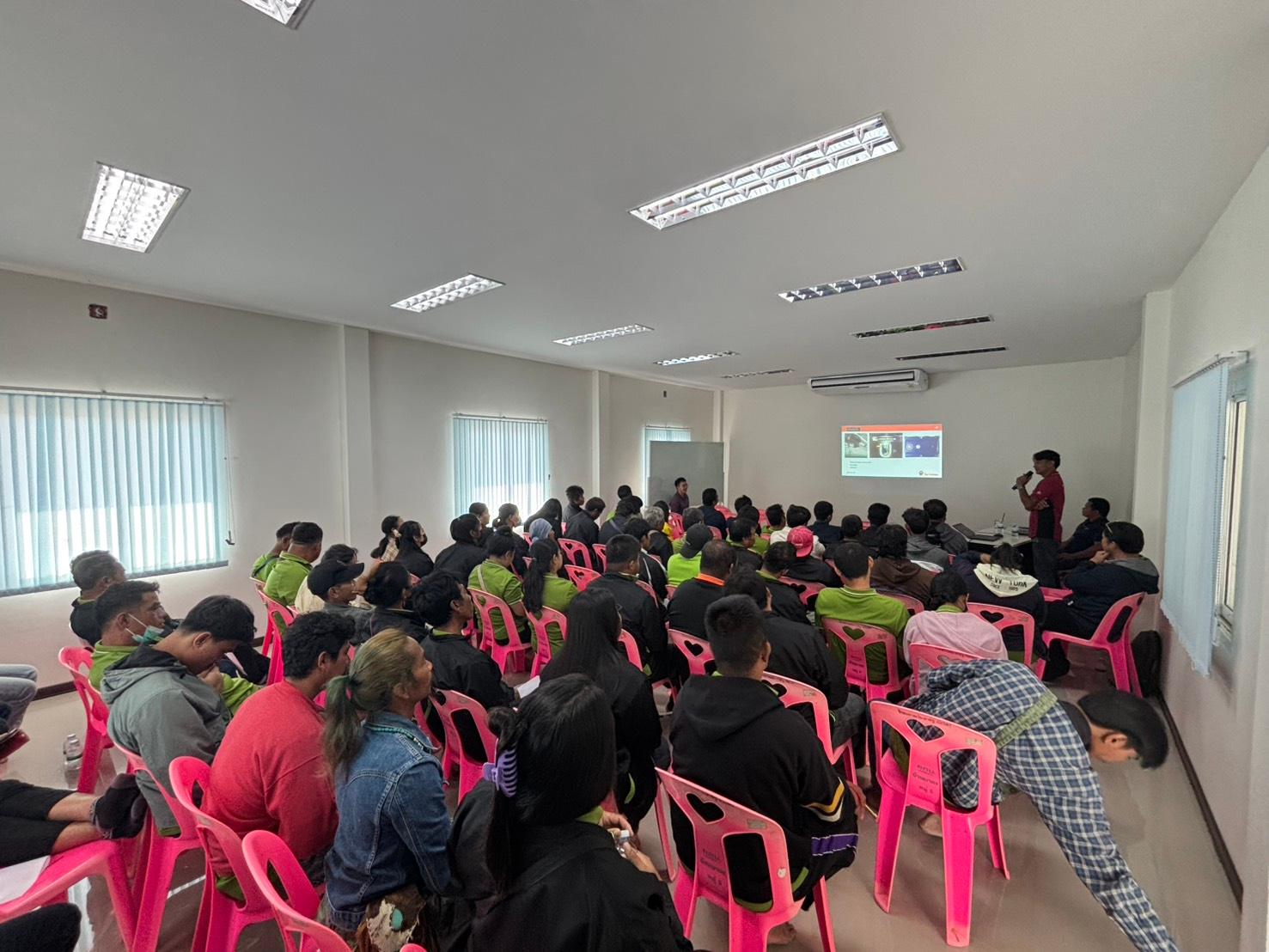
Training course "Enhancing Efficiency and Maintenance of Machinery and Equipment within Poultry Houses" for operational staff.
The company focuses on developing technical skills for employees to enhance expertise in using and maintaining modern technology, helping to reduce machine breakdowns and extend equipment lifespan, resulting in maximum production efficiency according to farm management standards.
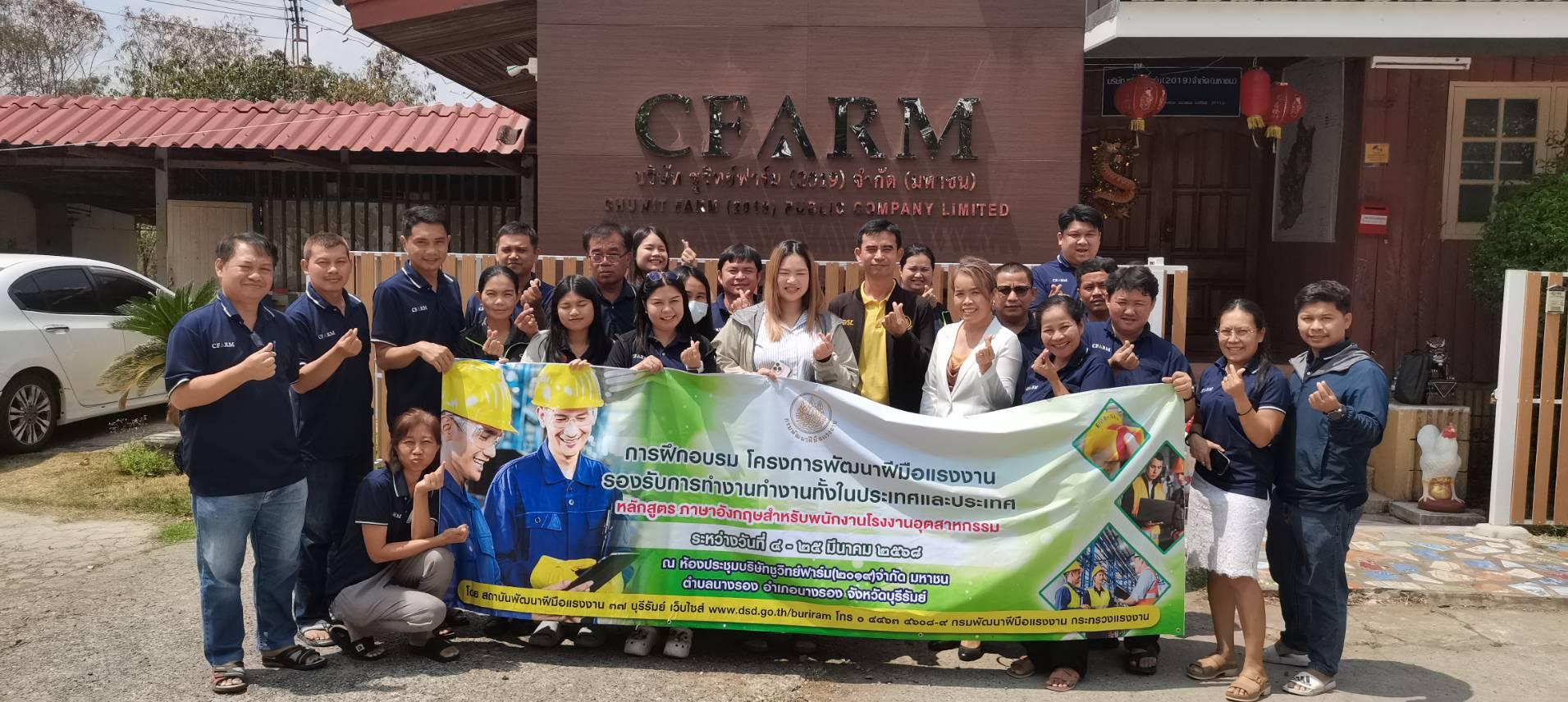
Training course "English for Industrial Employees"
The company focuses on developing English communication skills (English for Industrial Employees) to enhance operational efficiency and international coordination, while promoting lifelong learning to create professional advancement opportunities and sustainably elevate the organization's competitiveness.
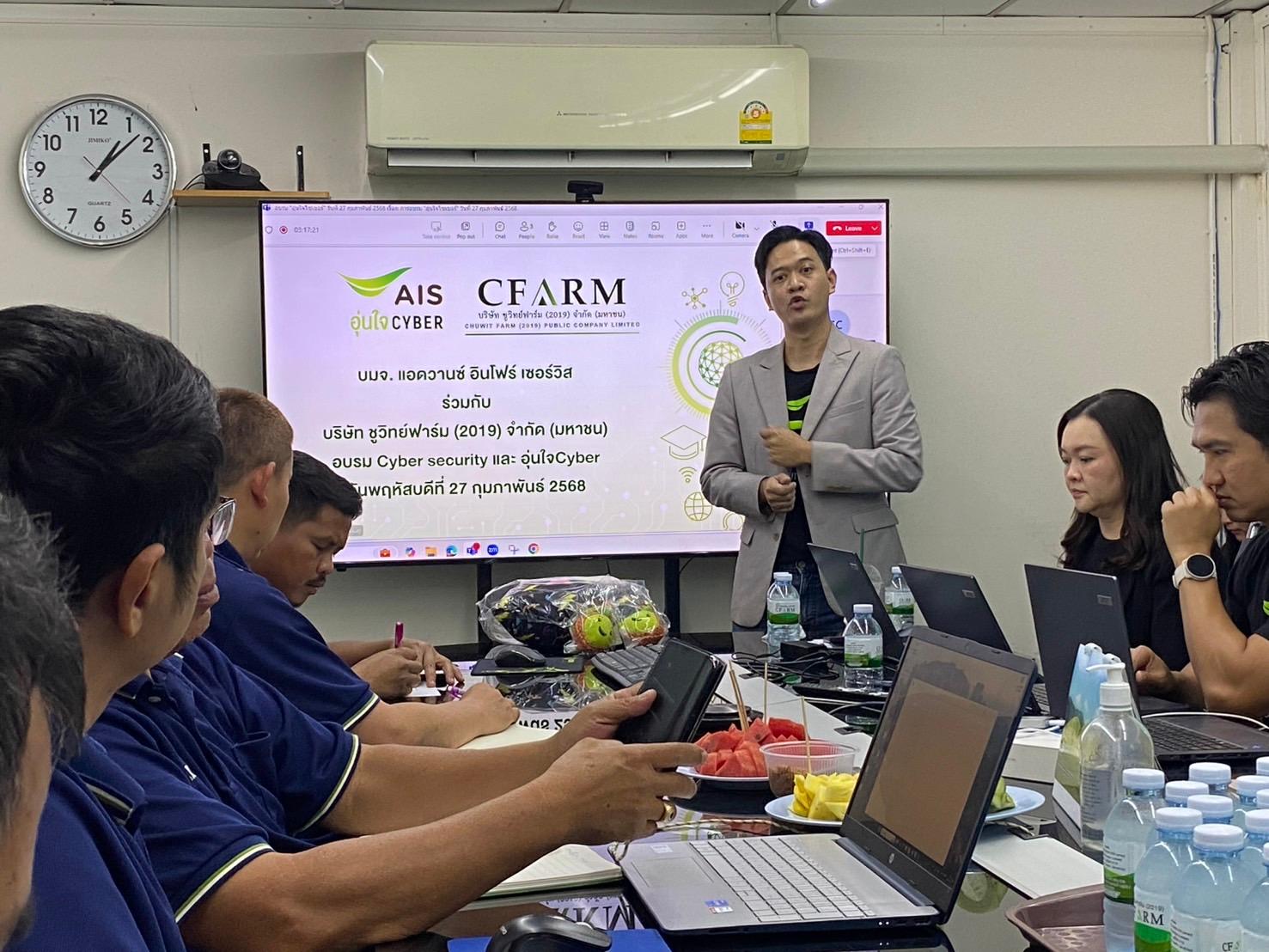
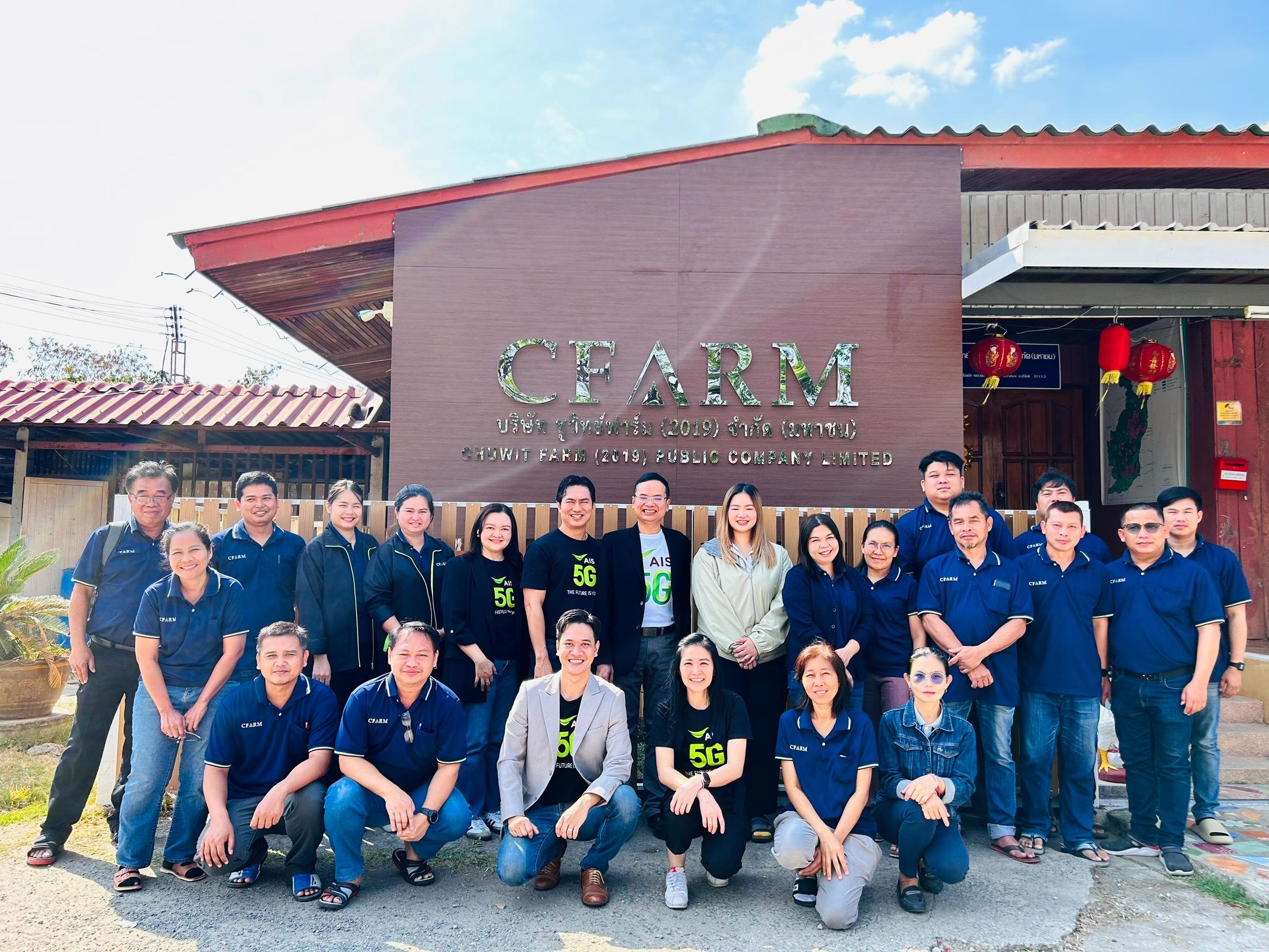
Training course "Cyber Security and Cyber Awareness"
The company focuses on raising cybersecurity awareness by organizing training courses to equip personnel with the knowledge to understand digital threats and safe internet usage, thereby protecting critical organizational and customer data, and driving a confident and responsible digital work culture.
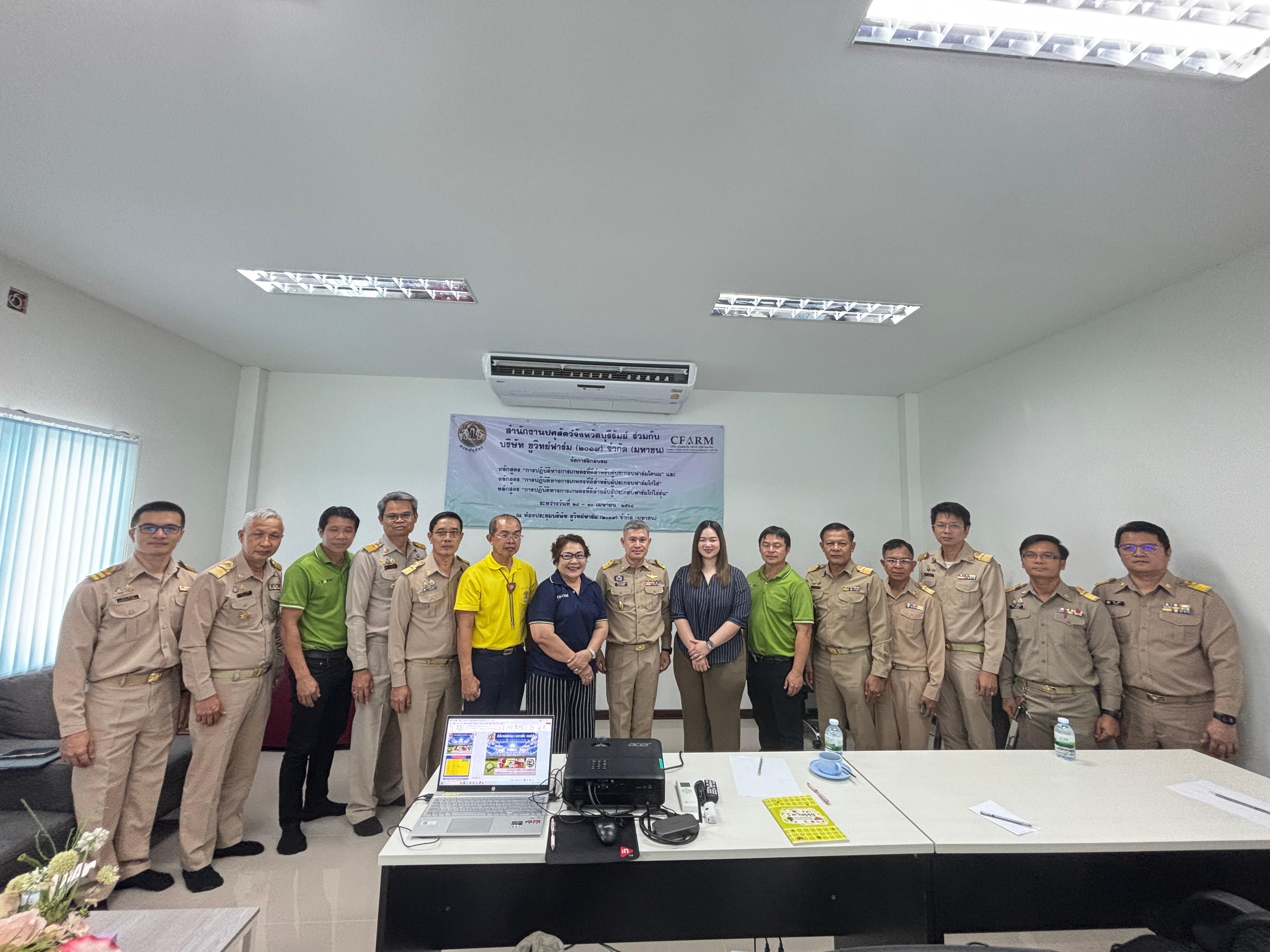
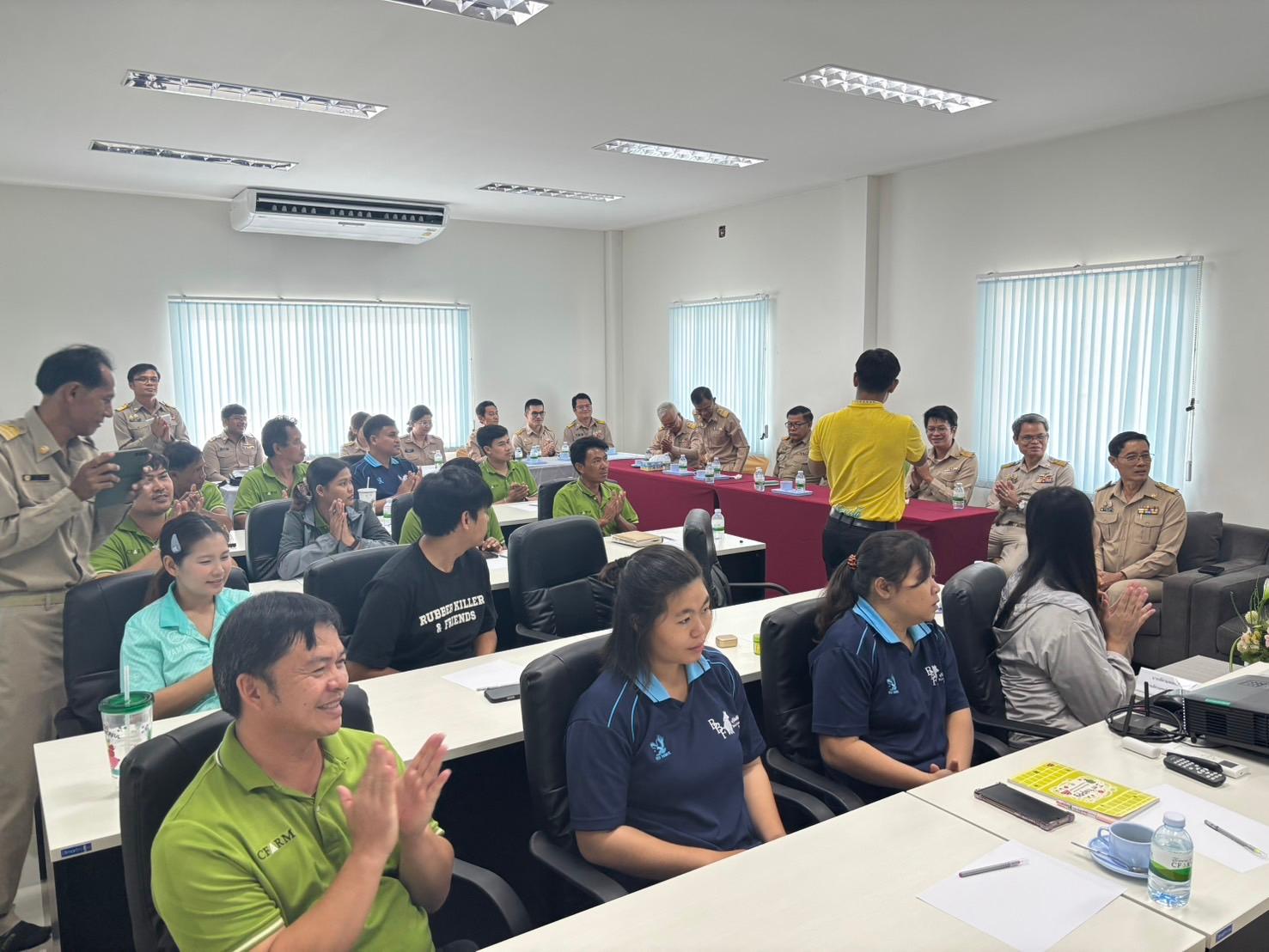
Training course "Broiler and Layer Farmer"
The company organizes a training course "Broiler and Layer Farmer" to develop the skills of employees and network farmers. It focuses on modern farm management according to biosecurity and animal welfare standards to ensure product quality and promote sustainable growth with contractors.
3. Promoting Employee Relations and Engagement
The company provides two-way communication channels, fosters a trusting work environment, and organizes activities that enhance employee engagement.
3.1 Engagement and Communication Channels
|
Formal channels |
Informal channels |
Relationship-building activities |
|
Monthly team meeting (all farms) Suggestion and feedback box |
Line Group for each farm team. Walk-in discussions with supervisors/HR. Confidential and secure whistle-blowing. |
Annual social gathering Sports Day activities Annual Outstanding Employee Award CSR activities with communities around the farm. |
3.2 Employee Engagement Survey
|
Frequency |
Survey once a year. Results reported to the Executive Board. |
|
Target Engagement Score |
≥ 75% (Highly Engaged level) |
|
Continuous measures |
Review survey results and convert them into an improvement plan within 60 days after the survey. |
|
Target Turnover Rate |
< 15% per year (industry average ~15–20%) |
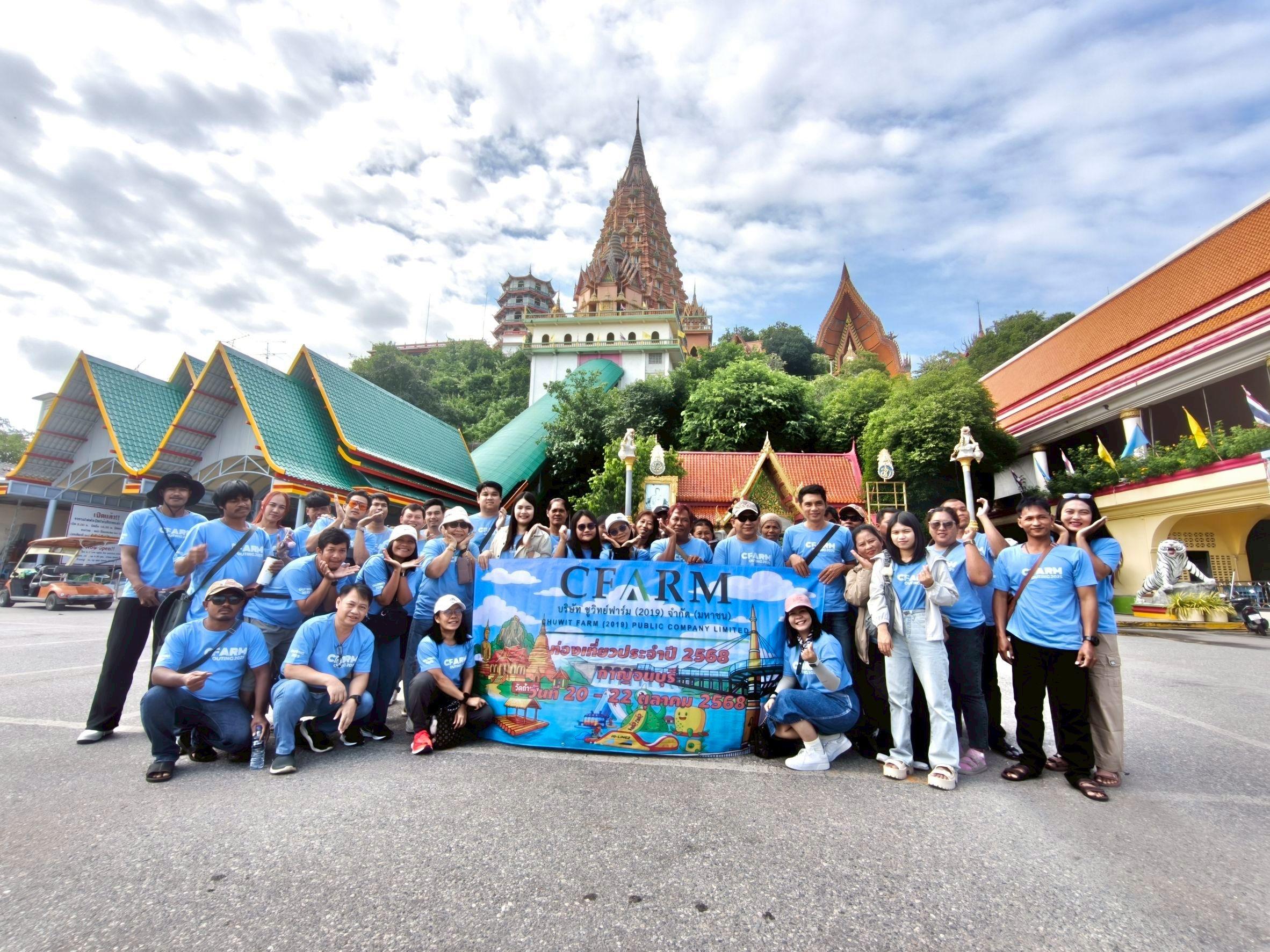
The company organizes annual recreational trips to reward employees for their dedication.
Focusing on creating relaxation, strengthening inter-departmental relationships, and consolidating a strong organizational culture to foster smiles and positive energy in driving CFARM's sustainable growth together.
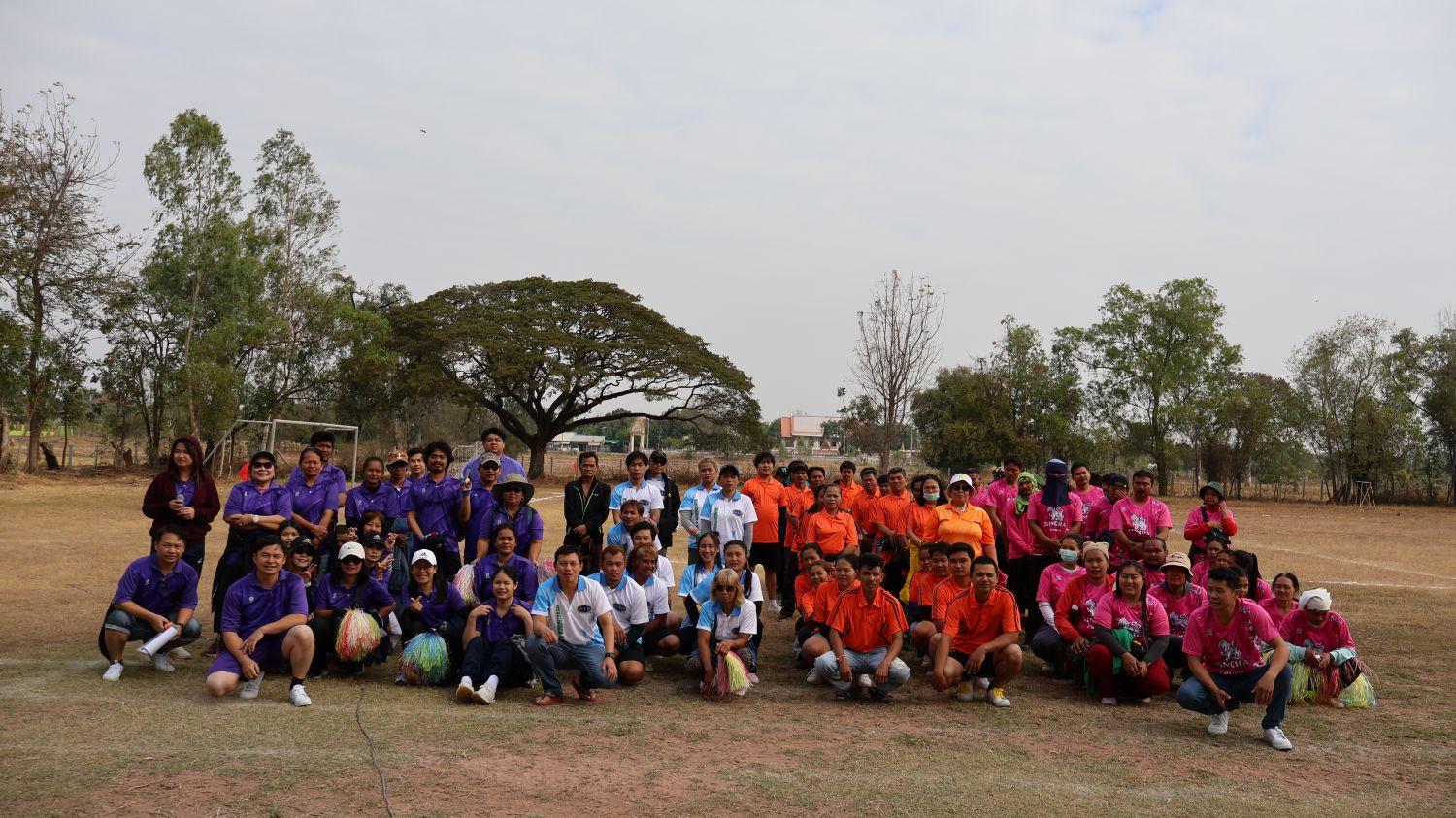
The company organizes annual Sports Day competitions.
To promote well-being and foster unity among employees at all levels, this activity serves as a platform to instill a sense of teamwork and sportsmanship, which are crucial foundations for driving the organization's happy and sustainable growth.
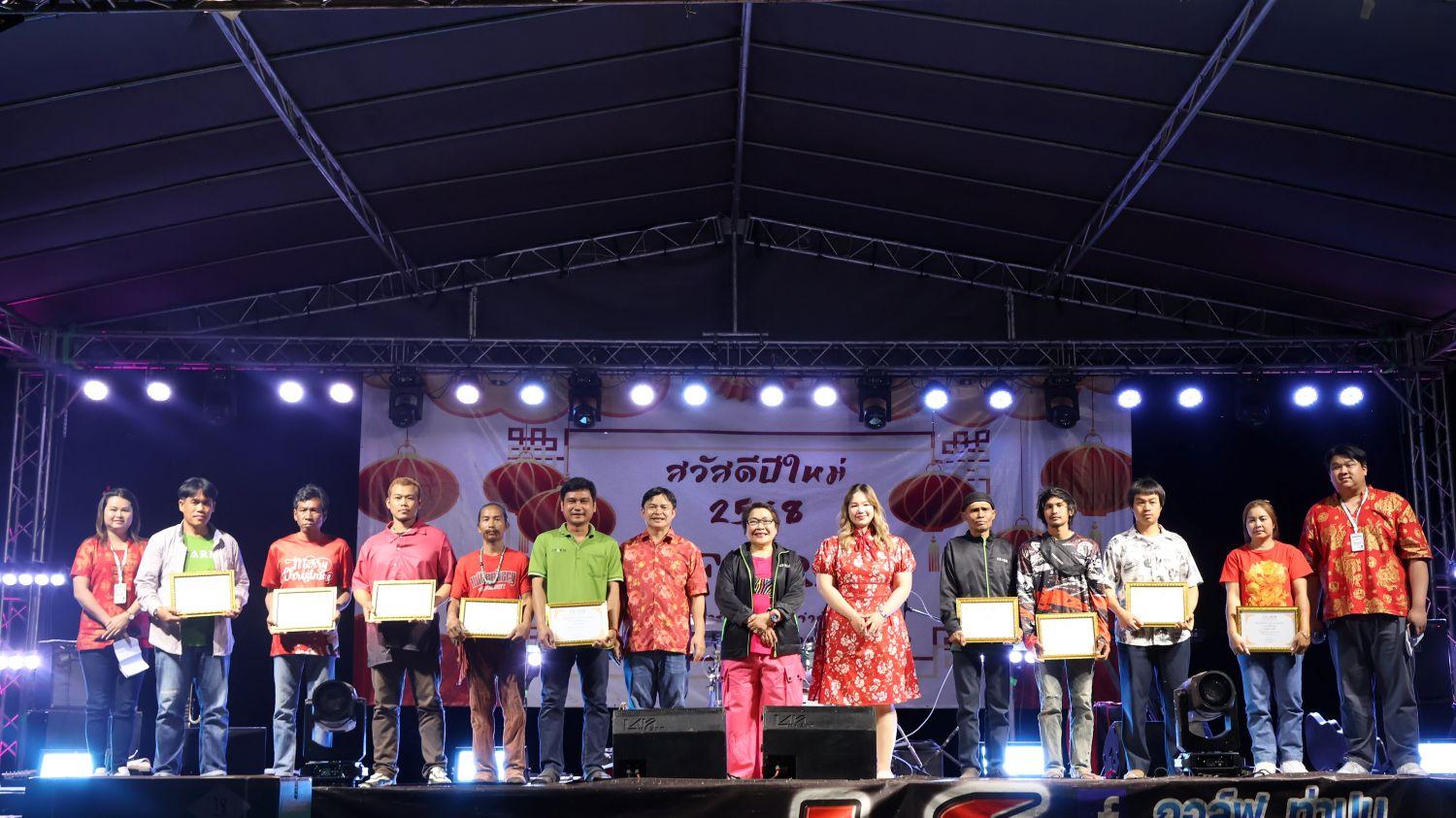
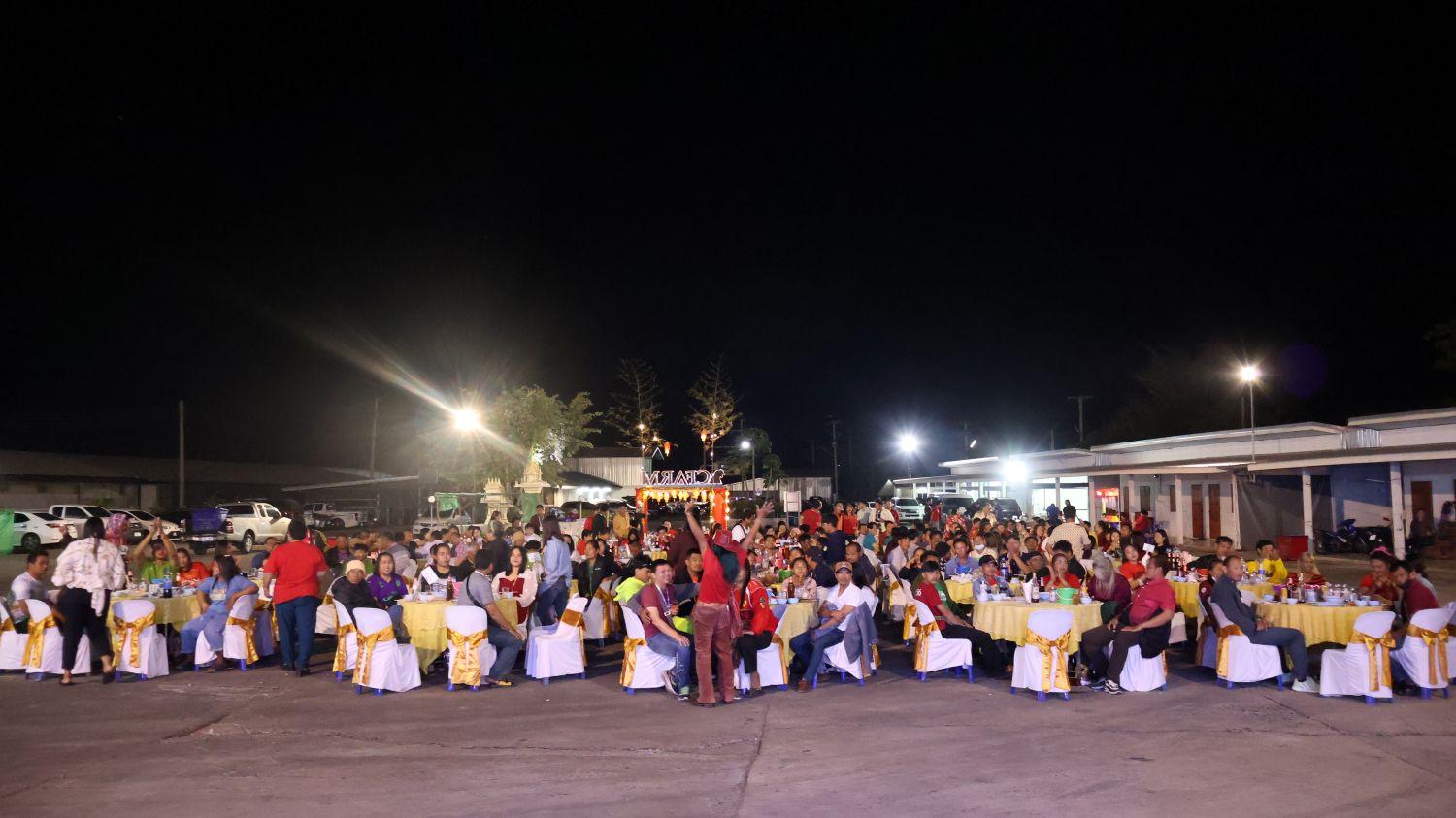
The company organizes an annual New Year's party.
To strengthen organizational culture and employee engagement, here are impressive images from the New Year's party, an activity regularly organized by the company to thank all personnel who have collaborated to drive business growth towards its goals.
4. Child Labor Prevention Policy and Measures
4.1 Zero Tolerance Policy on Child Labor
|
Preventive Measures |
Verification Process |
|
|
4.2 Current Status and Compliance Declaration
|
Status in 2025 |
No child labor (under 18 years old) found within the organization and its direct supply chain. |
|
Inspection |
HR verifies age documents during the recruitment and contracting process for 100% of applicants. |
5. Occupational Safety and Health
5.1 Safety Management Structure
|
Reference Standards |
ISO 45001: 2018 (Occupational Health & Safety Management), Safety Act B.E. 2554 (2011) |
|
Safety Officer (SO) |
Appoint Safety Officers (SO) at supervisory and management levels in all farms, in full compliance with the law. |
|
Safety Committee (KPO) |
Establish a Safety Committee with employer-employee representatives, meeting ≥ 1 time/month. |
|
Risk Assessment |
Conduct Hazard Identification & Risk Assessment (HIRA) for all processes, reviewed once a year. |
|
Safety Audit |
Internal safety inspection once per quarter and external expert inspection once per year. |
5.2 Specific Farm Hazards and Control Measures
|
Types of Hazards |
Risks |
Preventive Measures |
|
Biological |
Poultry-borne diseases (Zoonosis), animal waste dust |
Biosecurity strictly , Complete PPE complete ( N95, Coverall, gloves, boots), Shower and change clothes every time. who enter for work |
|
Chemical |
Disinfectants, vaccines, insecticides |
MSDS storage, Training on Work involving chemicals Specialized PPE Chemicals , Standard chemical storage room |
|
Physical |
Electricity 380V EVAP system, machinery, heat |
Warning signs, Lockout/Tagout, Maintenance Machinery As scheduled , Temperature-controlled room |
5.3 Biosecurity System — Safety specific to the livestock business
Biosecurity encompasses both animal disease prevention systems and employee safety measures, which CFARM considers the core of its business operations.
|
Farm Entry Protocol |
On-farm Protocol |
|
|
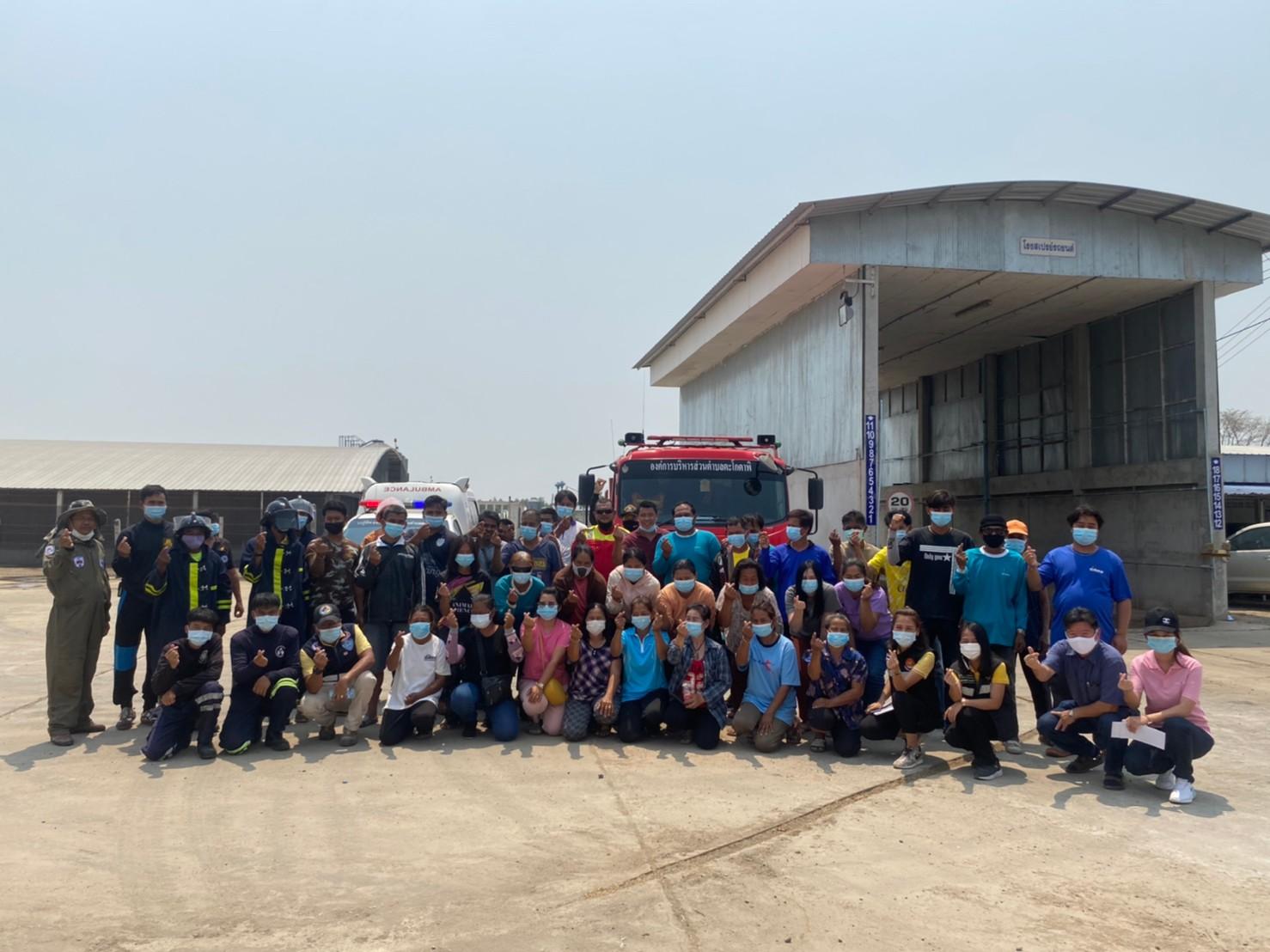
CFARM organizes fire drill and evacuation exercises annually.
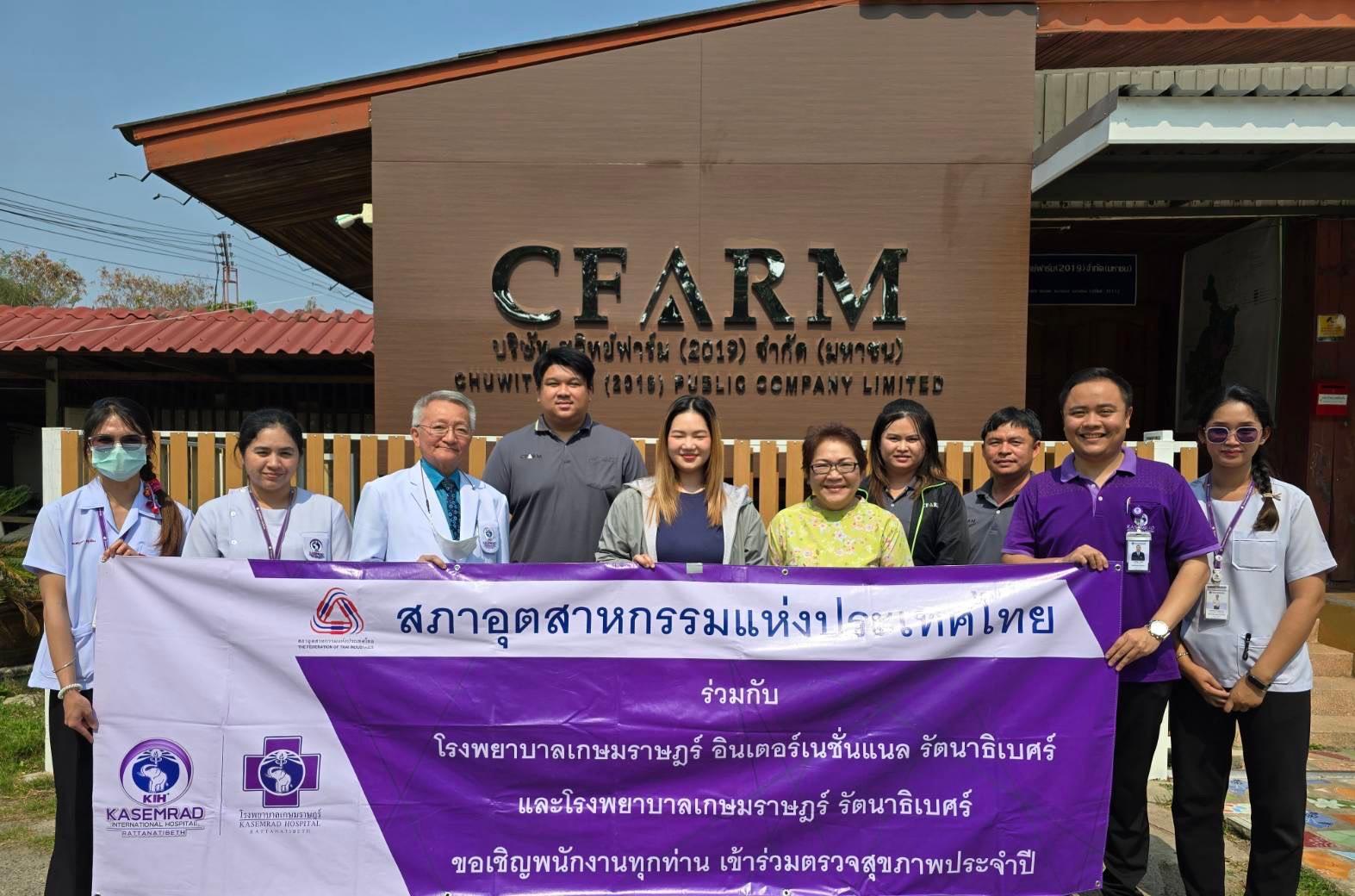
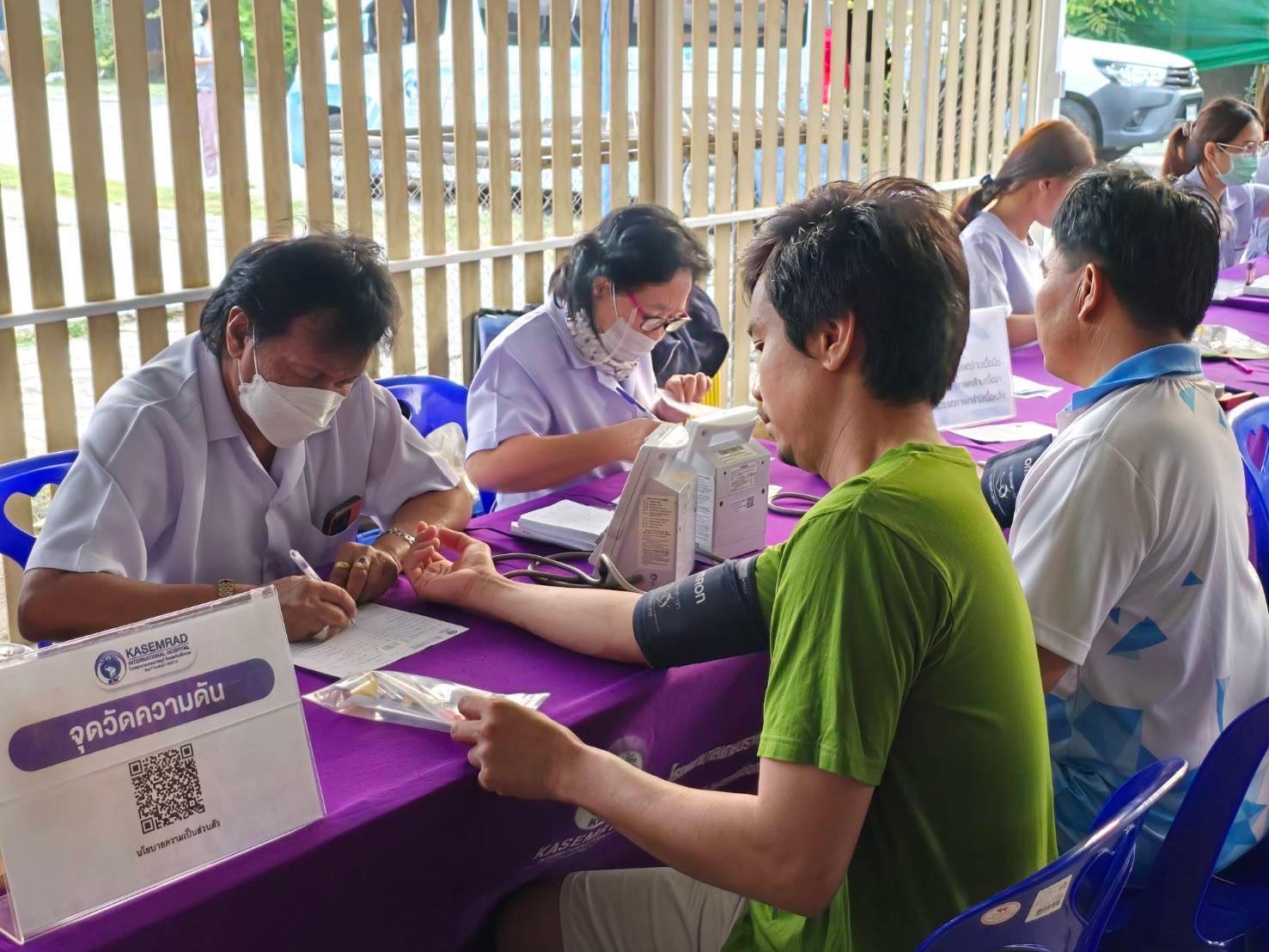
The company regularly provides annual health check-ups and risk-based health screenings for personnel.
To monitor and prevent work-related diseases according to international occupational health standards.
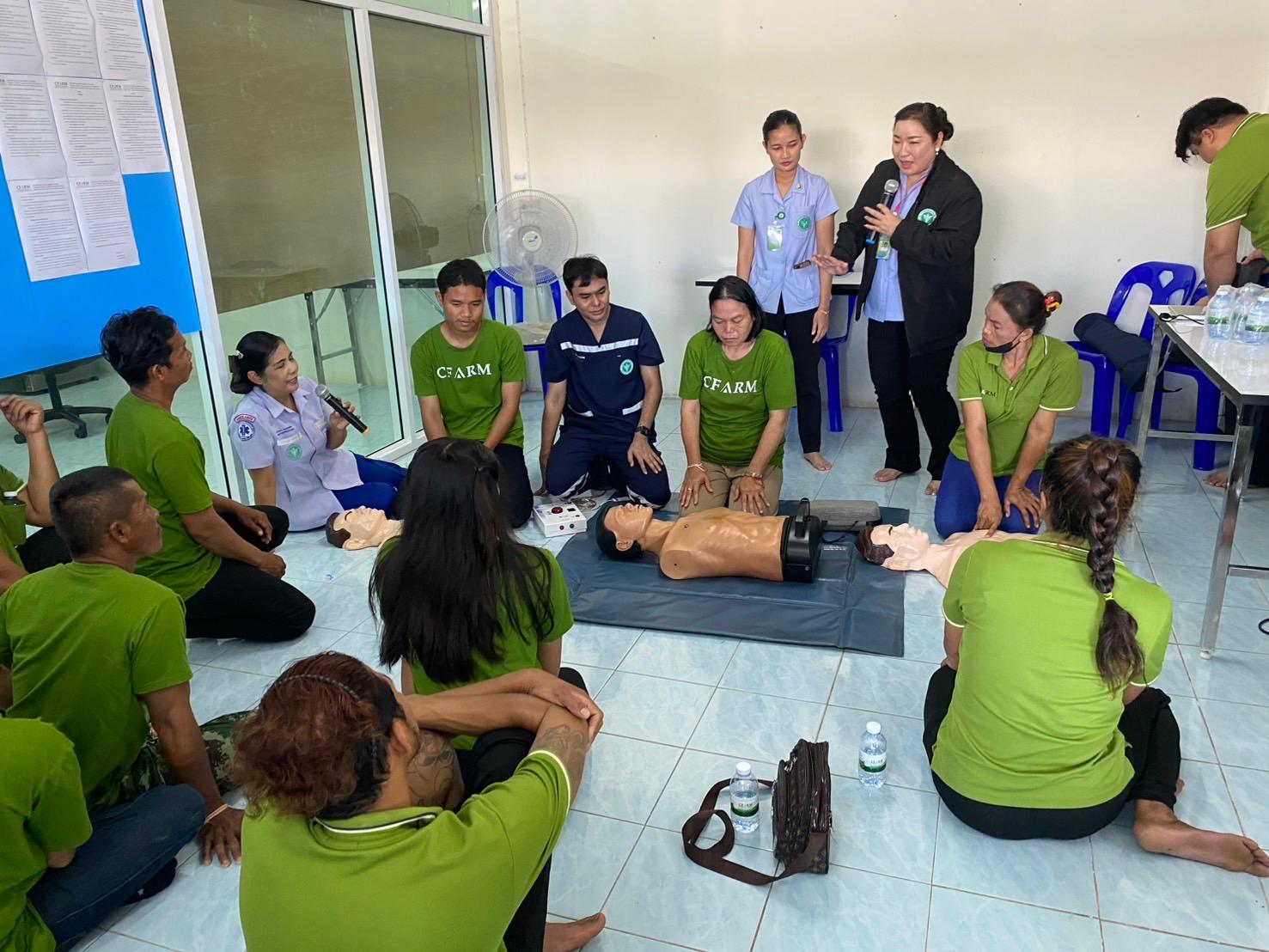
Training to enhance basic first aid and cardiopulmonary resuscitation (CPR) skills.
To prepare for employee welfare in all situations.
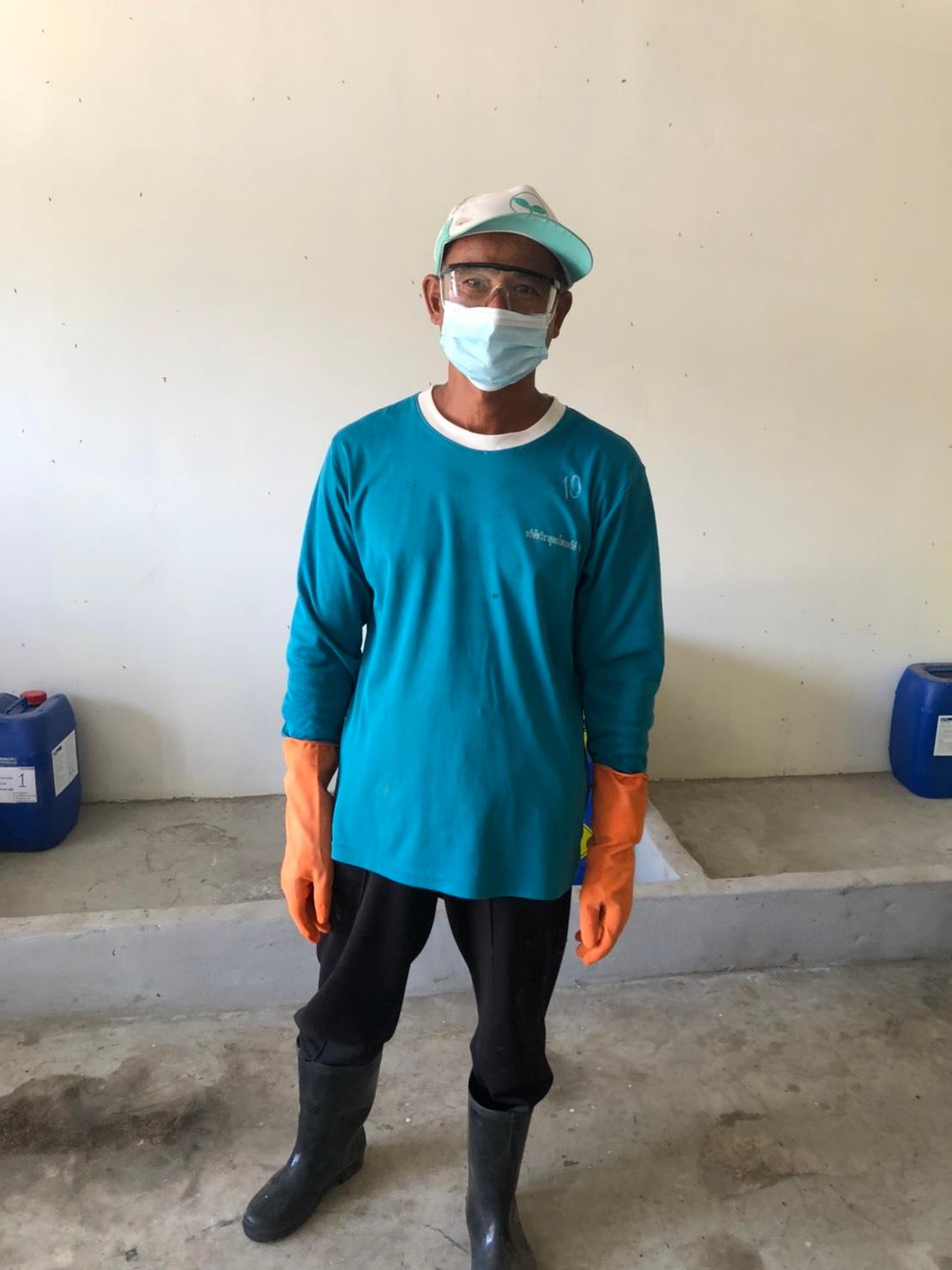
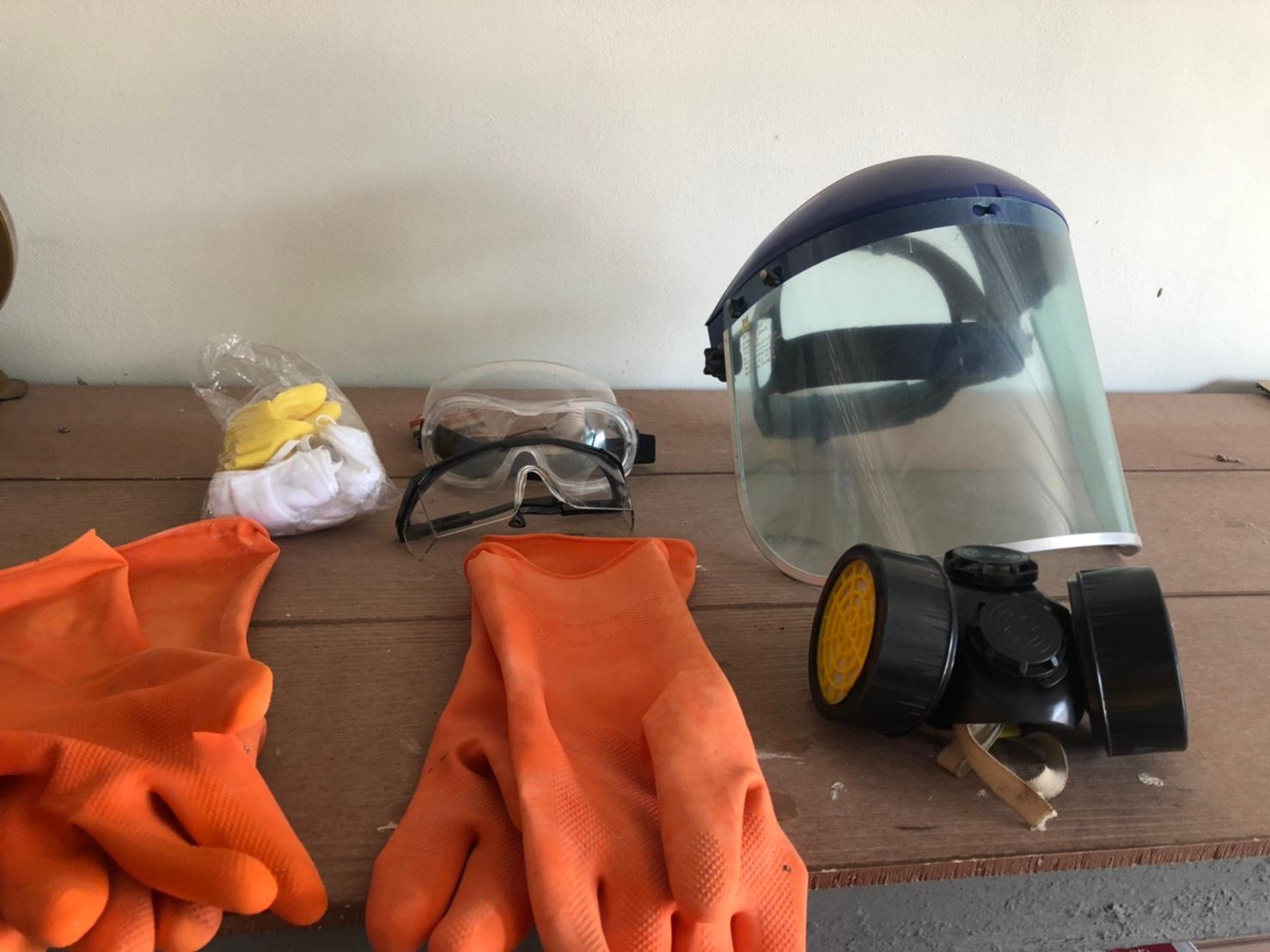
The company considers personnel safety paramount.
By providing all employees with personal protective equipment (PPE) that meets international standards.
With strict supervision of wearing at every step of operations that pose health risks, to ensure maximum confidence and welfare at work.
Customers — Plan & Guidelines
Has a Customer Management Plan
Yes
Plan Description
Customer & Partner Relationship Management
Chuwit Farm (2019) Public Company Limited is committed to delivering products of international quality standards, coupled with building trust and maintaining data confidentiality, with the following key operational guidelines:
1. Enhancing Customer Satisfaction & Engagement
The Company focuses on delivering broiler chickens of quality that meets the standards specified by its contractual partners, by implementing proactive management strategies as follows:
-
Satisfaction Survey: Regularly conduct satisfaction surveys of contractual partners (customers). "Every Rearing Cycle" To gather feedback and suggestions on various aspects, such as animal quality, growth rates, and chicken meat quality.
-
Process Improvement through Data Utilization: Analyze survey results and quality issues received from customers to improve breeding techniques, management of closed-system (Evap) housing, and disease control for greater efficiency.
-
Strategic Business Planning: Utilize customer requirements as a basis for production planning and future business expansion, to ensure that the Company's growth aligns with industry trends and partner needs sustainably.
2. Data Privacy & Security
In compliance with the Personal Data Protection Act (PDPA) and good corporate governance standards, the Company has established strict guidelines as follows:
-
Confidentiality Standards: Establish data security measures to protect personal data and commercial information of customers/contractual partners from leakage or misuse.
-
Compliance: Collect, use, and disclose personal data under legal authority and the Company's clearly defined personal data protection policy.
-
Business Ethics: All employees and relevant personnel must adhere to the Personal Data Protection Guidelines to ensure that all data is managed correctly, transparently, and with maximum efficiency.
Plan Areas
| Plan Area |
|---|
| Development of customer satisfaction and customer relationship |
| Protection of customer personal information |
Customers — Satisfaction Results
Customer Satisfaction Results
| Metric | Current Year | Previous Year | Two Years Ago |
|---|---|---|---|
| Evaluation results of customer satisfaction | 1 | 1 | 1 |
Customers — Targets
Has Set Customer Targets
No
Customers — Performance & Outcomes
Has Performance Results
No
Performance Description
Annual Contractor Satisfaction Survey Results for 2025
In 2025, the company conducted a satisfaction survey of contractors (customers) after the delivery of broiler chickens for each rearing cycle, covering all 8 affiliated farms, to utilize the data for improving production efficiency. The summarized details are as follows:
|
Survey Frequency |
Post-delivery survey for every rearing cycle (Transactional) + Annual in-depth survey for all partners (Annual) |
|
Channel |
Online Questionnaire |
|
Measured Topics |
Quality (Weight, FCR Feed Conversion Ratio , Mortality Survival Rate and others) | Punctuality | Data Entry | Communication | Problem Solving Suggestions for Improvement and Learning |
|
Objectives |
≥ 80% in all dimensions |
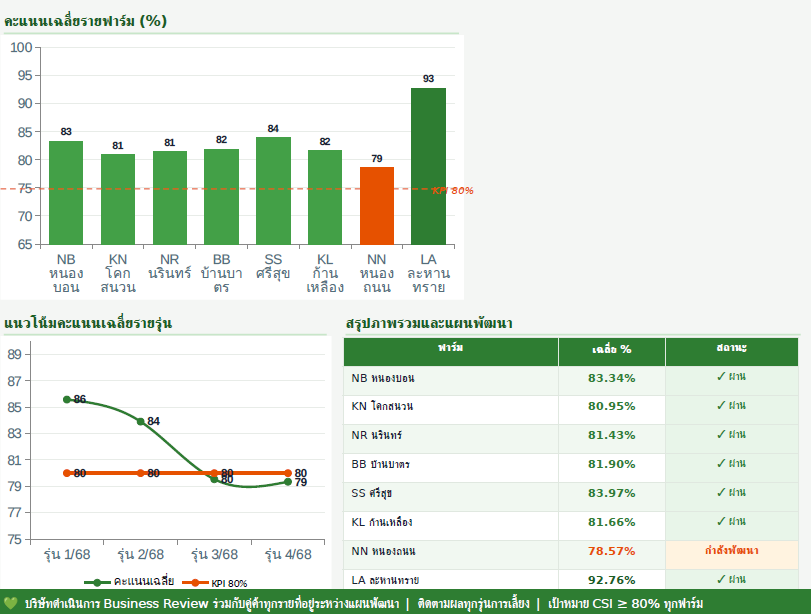
Overall Satisfaction (Overall Performance)
-
Target (KPI): The company sets the minimum satisfaction criteria at 80%
-
Average Performance: Most farms are able to maintain satisfaction standards according to criteria, especially Lahan Sai Farm which achieved the most outstanding scores in all rearing cycles (average 92.76%) and Srisuk Farm (average 104.96%)
-
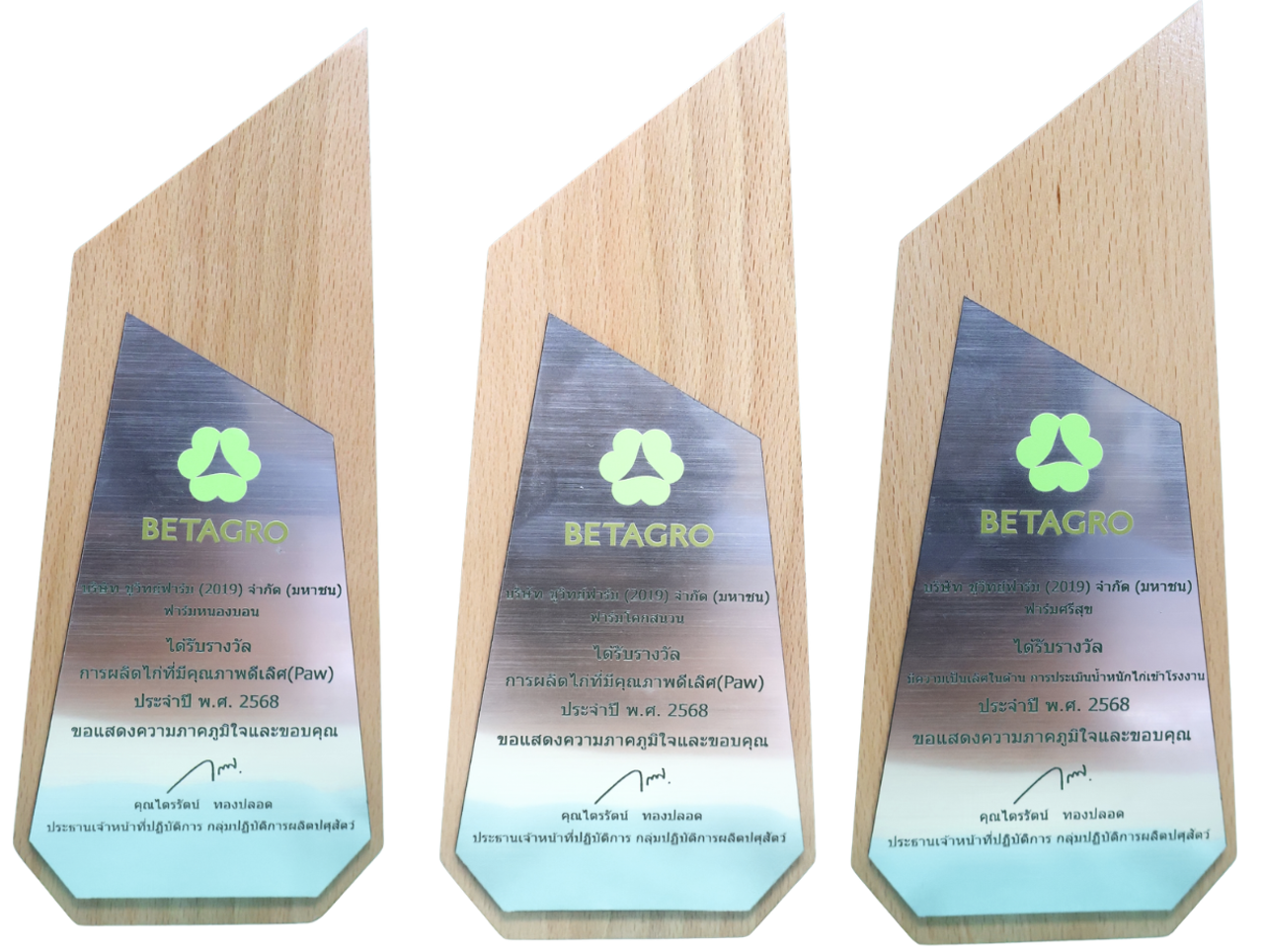
Achievements and Awards of Pride due to its commitment to maintaining high production standards.
Consequently, in 2025, the company received awards from its contracting partners (Integrators) as follows:
Srisuk Farm received the Award for Excellence in Broiler Weight Assessment for Processing Plants in 2025.
Khok Sanuan Farm received the Award for Excellent Quality Chicken Production (Paw) in 2025.
Nong Bon Farm received the Award for Excellent Quality Chicken Production (Paw) in 2025.
This serves as a testament to the trust and sustainable business partnership status of CFARM.
Result Customer Personal Data Protection
The company strictly adheres to the Personal Data Protection Act B.E. 2562 (2019) (PDPA) to build confidence among partners and all stakeholders.
The data collected by the company includes both organizational data and personal data of contacts within partner organizations, categorized by type and purpose as follows:
|
Data Type |
Details |
Purpose |
|
Contact Information |
Name-Surname, Position, Phone Number, Coordinator's Email |
Business Communication, Document Submission, Contract Coordination |
|
Contract Information |
Conditions, Price, Quantity, Standards, Duration |
Contract Management and Compliance with Legal Obligations |
|
Production Data |
FCR, Mortality, Weight, Delivery Date, Farm Report |
Evaluate and report to partners according to requirements |
|
Financial Information |
Payment Information, Account Number, Transaction History |
Payment of remuneration and issuance of financial documents |
Community & Social — Plan & Guidelines
Has a Community & Social Plan
Yes
Plan Description
In the past year, Chuwit Farm (2019) Public Company Limited has carried out community and social activities, with the operational results summarized according to 9 dimensions.
1. Career Development
The company prioritizes "Local Economic Growth" by prioritizing the employment of personnel residing in Buriram Province and nearby areas, as well as supporting local partners (Local Suppliers) to distribute income to the community. Furthermore, training programs for international standard broiler chicken farming skills are provided to elevate local labor to skilled labor.
2. Education Support
allocates an annual budget to provide scholarships to academically proficient but financially disadvantaged youth for schools located within the radius around the farm. 1 0 kilometers and in the refugee center in Nang Rong District, Buriram Province.
3. Arts and Culture
CFARM is committed to being an integral part of the community by supporting budgets for important traditional events, such as Kathin ceremonies and religious activities in the area, to foster good relationships and sustainably preserve local cultural identity.
4. Natural Resources
The company implements a policy of "Green Farm" by planting trees around the farm's perimeter (Buffer Zone) to help absorb carbon dioxide and reduce odor dispersion. Additionally, there is a project to utilize distributed to farmers in the community, helping to reduce fertilizer costs and improve soil quality in the area.
5. Sports and Recreation
promote good well-being through supporting sports equipment and organizing relationship-building activities to foster unity between employees and local residents, bridging gaps and building mutual trust (Community Engagement).
6. Occupational Health & Environment
is crucial for reducing externalities. The company manages odor and dust issues to prevent impact on surrounding communities. Air and noise quality are monitored according to legally mandated schedules, with the goal of "Zero Complaint" or the absence of community complaints throughout the year.
7. Care for Vulnerable Groups
The company has proactive social assistance projects, such as supporting school lunch programs for students, as well as providing disaster relief during emergencies like war or floods in areas around the farm.
8. Water Management
CFARM utilizes a circular water management system and standard wastewater treatment to ensure no discharge into public water sources ( Zero Discharge Policy ), which helps prevent impacts on water sources used by communities for agriculture and consumption.
9. Equality and Human Rights
adheres to the principles of universal human rights in employment, without discrimination based on gender, age, religion, or origin, and provides opportunities for local people with disabilities to work in suitable positions to promote equality and human dignity comprehensively.
Plan Areas
| Plan Area |
|---|
| Employment and professional skill development |
| Education |
| Religion and culture |
| Sports and recreation |
| Occupational health, safety, health, and quality of life |
| Water and sanitation management |
| Reducing inequality and promoting social equality |
Community & Social — Targets
Has Set Community & Social Targets
No
Community & Social — Performance & Outcomes
Has Performance Results
Yes
Performance Description
Operational Results for the Year 2025
1. Career Development (Career Development)
-
Focusing on local wealth generation by prioritizing the employment of personnel residing in Buriram Province and nearby areas.
-
Organized skill development programs for broiler farming according to international standards, to elevate local labor into skilled and qualified workers.
2. Education Support (Education Support)
-
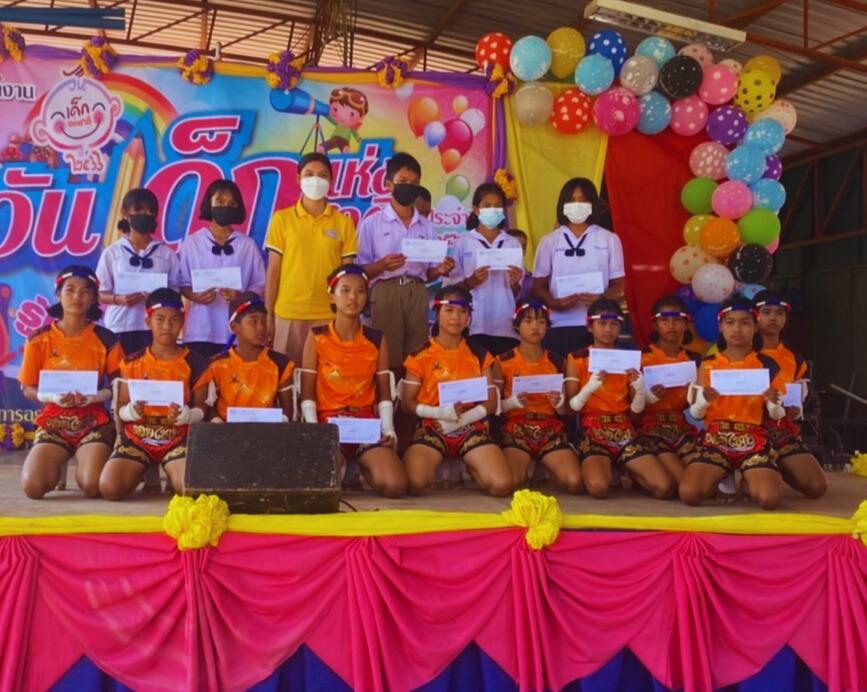
Donated scholarships to academically proficient but financially disadvantaged youth in schools around the farm. In the past year, 80 scholarships totaling 40,000 Baht were awarded to students in the Takhota Phi Subdistrict Administrative Organization area, Prakhon Chai District, on the occasion of National Children's Day.
|
Order |
School |
Number of Scholarships (Scholarships) |
Per Scholarship (Baht) |
Total Amount (Baht) |
|
1 |
Wat Ban Takhota Phi School |
25 |
500 |
12,500 |
|
2 |
Ban Chum Saeng School |
15 |
500 |
7,500 |
|
3 |
Ban Khok Het School |
6 |
500 |
3,000 |
|
4 |
Ban Kaset Sombun School |
14 |
500 |
7,000 |
|
5 |
Ban Bat School |
20 |
500 |
10,000 |
|
Total (5 Schools) |
80 |
500 |
40,000 |
-
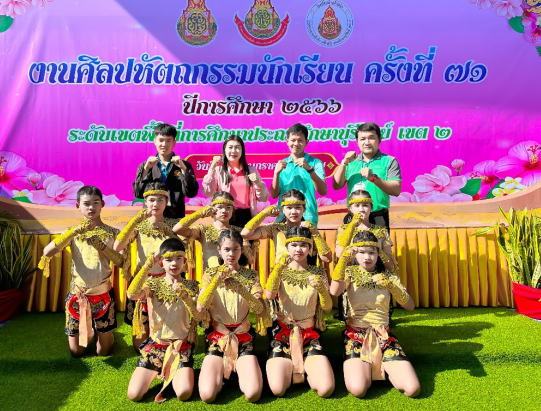
Provided a budget of 10,000 Baht for the purchase of Keeta Muay Thai and Keetasilp Muay Thai sets for Ban Chum Saeng School, Takhota Phi Subdistrict, Prakhon Chai District, Buriram Province, to be used in regional youth skills competitions.
3. Arts and Culture (Arts and Culture)
-
Support for Religious Sites: Covering temples and monastic residences in Buriram Province, totaling over 13 locations (Wat Sattha Prachaburana, Ban Sri Suk Monastic Residence, Ban Chum Saeng Monastic Residence, and Wat Nong Chot, etc.) within a 20-kilometer radius of the farm, to preserve Buddhism and serve as a spiritual center for the community.
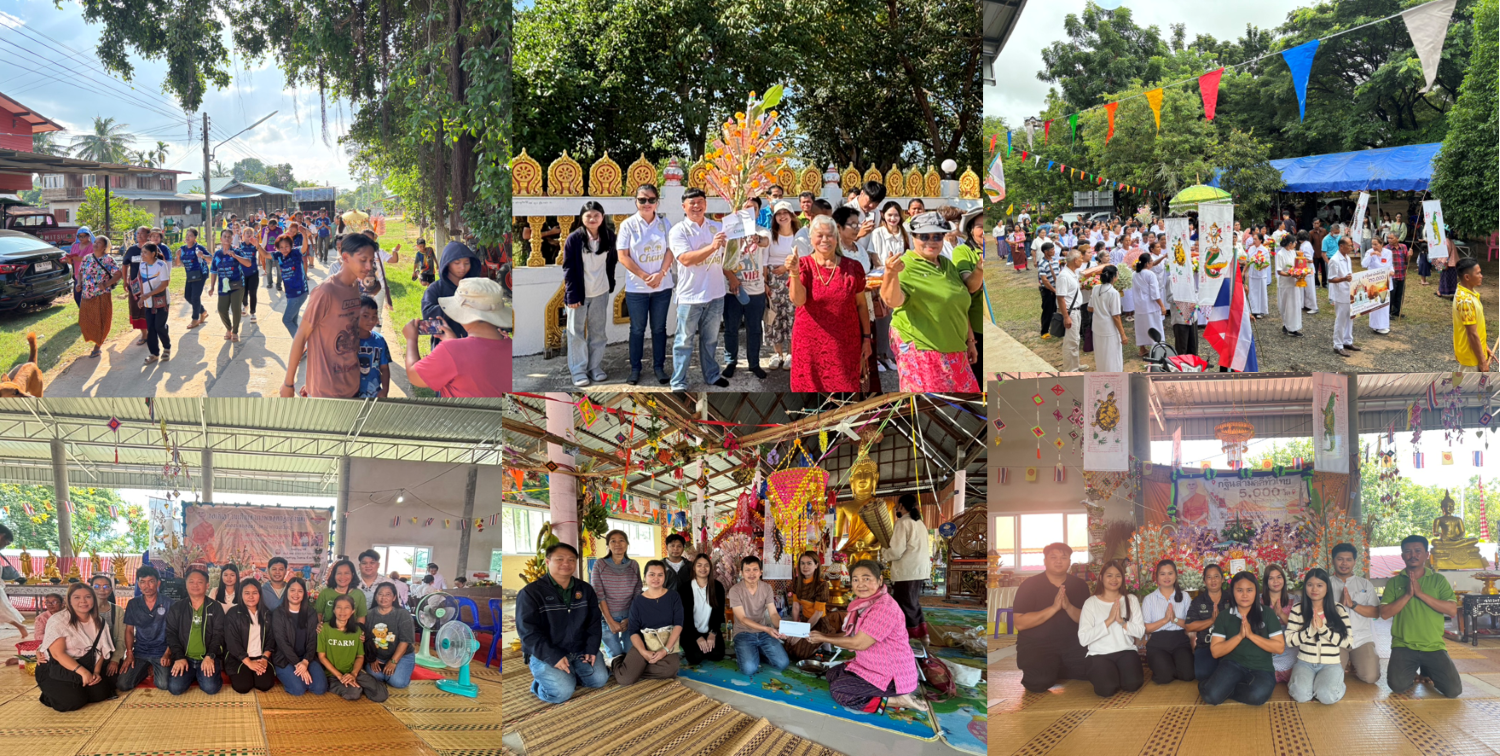
Order
Item
Farm Area Zone
1
Pha Pa Ceremony at Wat Ban Nong Chot
Nong Thanon Farm
2
Pha Pa Ceremony at Ban Chum Saeng Monastic Residence
Narin Farm
3
Donations for Thod Pha Pa Samakkhi ceremony
Kan Lueang Farm
4
Kathin Ceremony at Wat Nong Talum Puk
Khok Sanuan Farm
5
Kathin Ceremony at Wat Khok Sanuan
Khok Sanuan Farm
6
Kathin Ceremony at Wat/Monastic Residence Ban Samet
Nong Bon Farm
7
Kathin Ceremony at Wat Sri Bon Kham
Nong Bon Farm
8
Kathin Ceremony at Ban Chum Saeng Monastic Residence
Narin Farm
9
Kathin Ceremony at Wat Ban Nong Chot
Nong Thanon Farm
10
Kathin Ceremony at Wat Suan Tham Butasum
Nong Thanon Farm
11
Kathin Ceremony at Ban Sri Suk Monastic Residence
Sri Suk Farm
12
Kathin Ceremony at Wat Sattha Prachaburana
Kan Lueang Farm
13
Kathin Ceremony at Ban Nong Prong Monastic Residence
Narin Farm
-
Educational Support: Donated funds for the Thod Pha Pa Samakkhi ceremony to local schools, namely Ban Butasum Nong Chot School and Ban Muang Nong School, to support educational institution development.
Order
Item
Farm Area Zone
1
Donations to schools Chum Saeng
Narin Farm
2
Donations - Pha Pa Ceremony Ban Muang Nong School
Nong Bon Farm
3
Donations to schools Butasum Nong Chot
Nong Thanon Farm
-
Collaboration with Government Agencies: Participated in Kathin ceremonies with central government agencies, such as the Department of Skill Development, to foster integrated cooperation.
"CFARM not only operates a broiler farm business, but we are committed to growing alongside the strength of the community. The support of over 215,000 Baht for merit-making activities and religious ceremonies throughout 2025 reflects our strong ties and the preservation of the cherished culture that has long been a part of the Buriram locality."
4. Natural Resources and Environment (Natural Resources)
-
Implemented a "Green Farm" policy by planting trees as a buffer zone around the farm to absorb carbon dioxide and reduce odor dispersion.
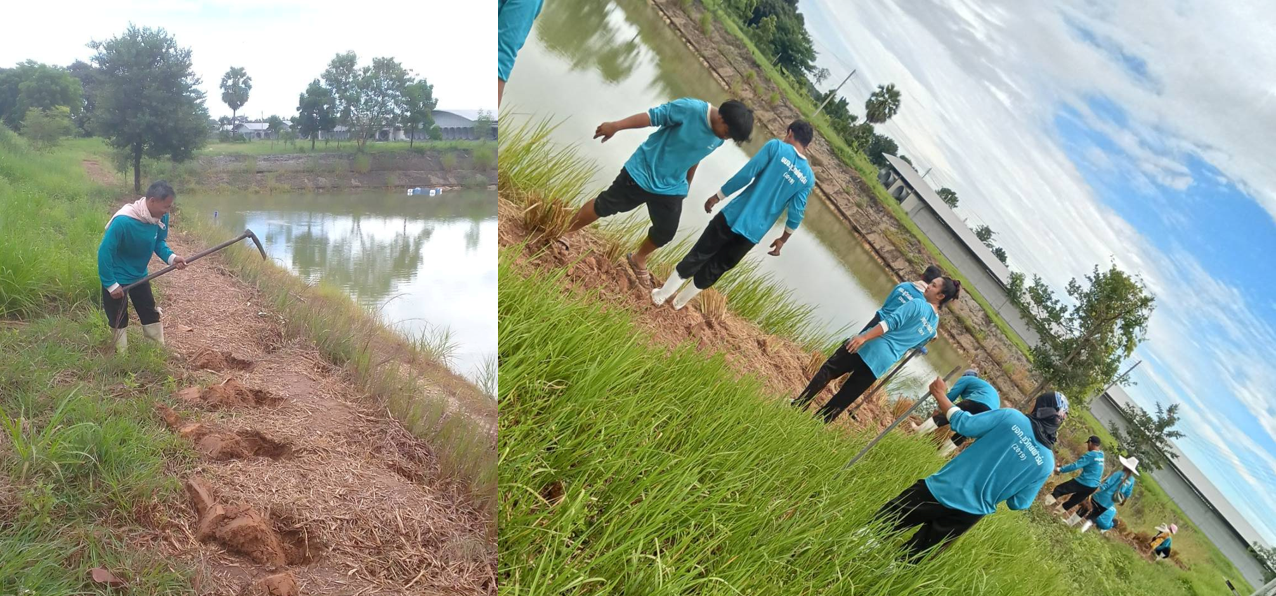
-
Implemented the "CFARM Supporting Thai Farmers" project by distributing chicken manure to government agencies and local farmers for use as organic fertilizer, helping to reduce production costs and improve soil quality in the area.
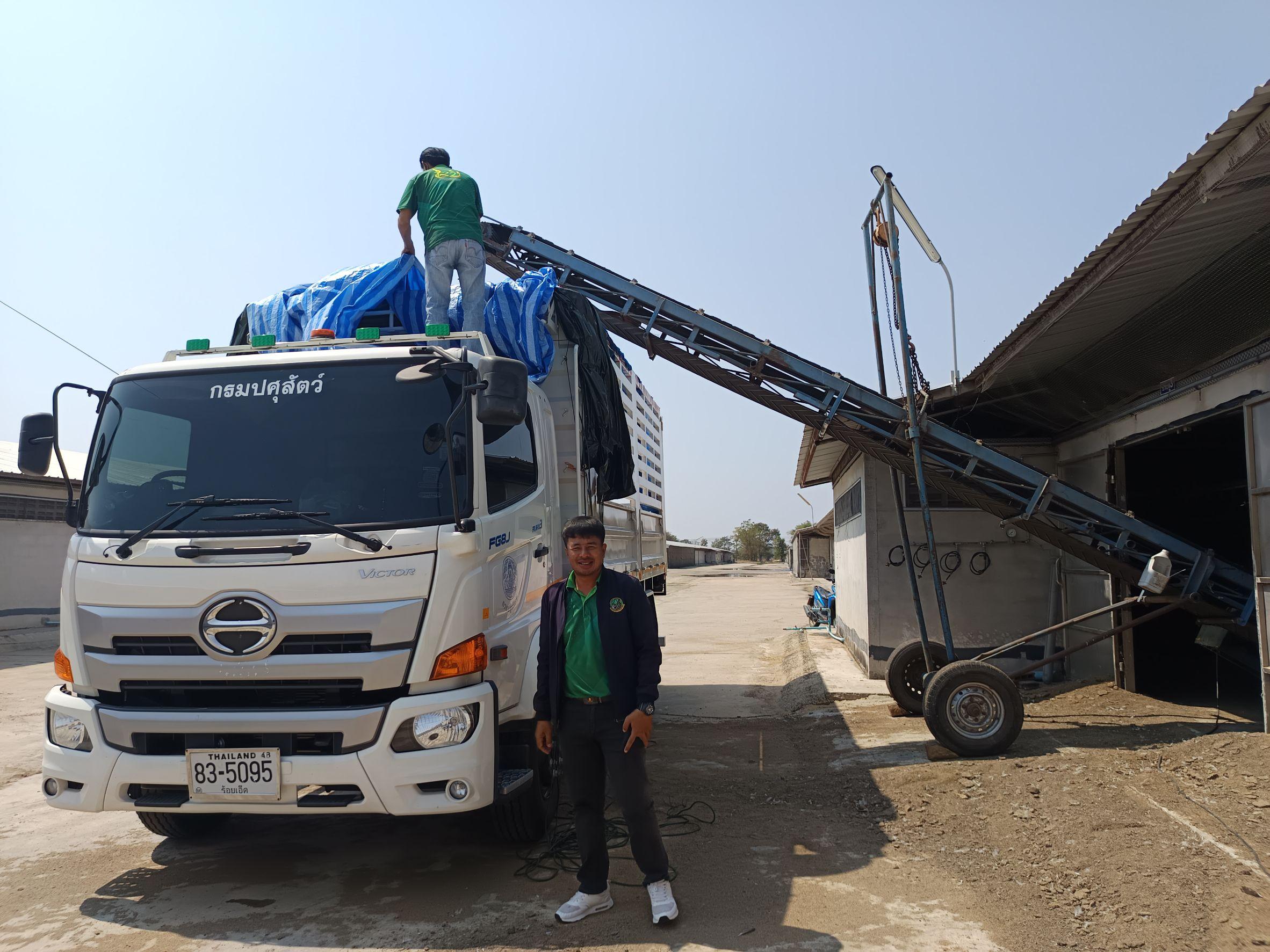
On February 5, 2025, Chuwit Farm (2019) Public Company Limited recognized the importance of maximizing the benefits of agricultural waste materials in accordance with the principles of the Circular Economy. The Company proceeded to donate "chicken manure from its affiliated farms" to the Roi Et Provincial Livestock Office for use as a key component in the research and development project "Innovation of Organic Fertilizer from Chicken Manure Mixed with Sawdust," which is a collaboration to enhance knowledge in farm waste management.
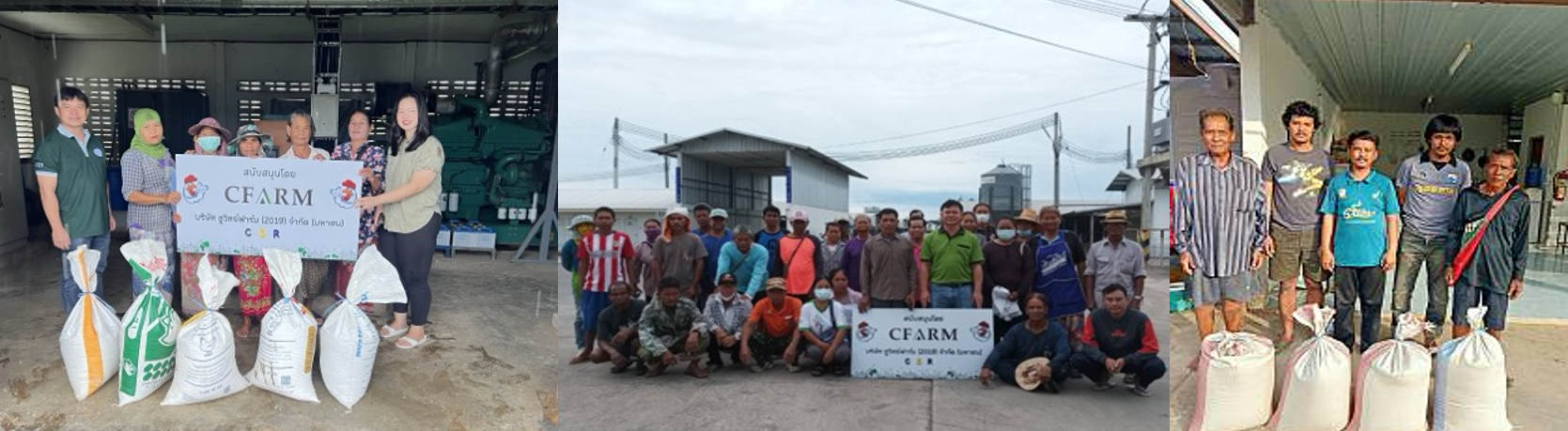
5. Sports and Recreation (Sports and Recreation)
-
Supported sports equipment and budgets for National Children's Day activities, including anti-drug sports competitions in Buriram Province, to promote well-being and unity among employees and local residents.
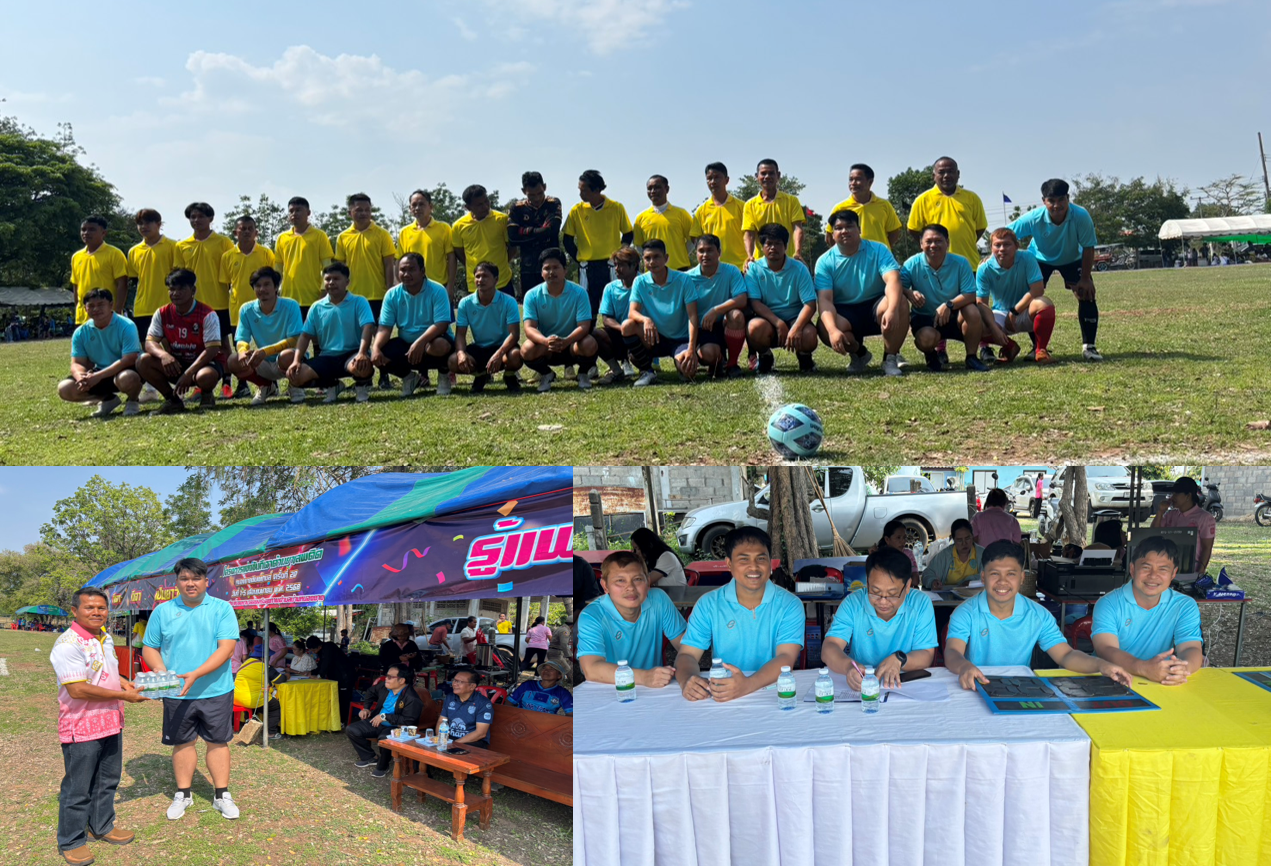
On March 28, 2025, the Company participated in supporting the "Community Sports and National Children's Day Activities" in collaboration with Nong Yai Phim Subdistrict Administrative Organization, Nang Rong District, Buriram Province. The main objective was to promote access to beneficial recreational activities for people of all ages in the community.
6. Occupational Health & Community Environment (Occupational Health & Environment)
-
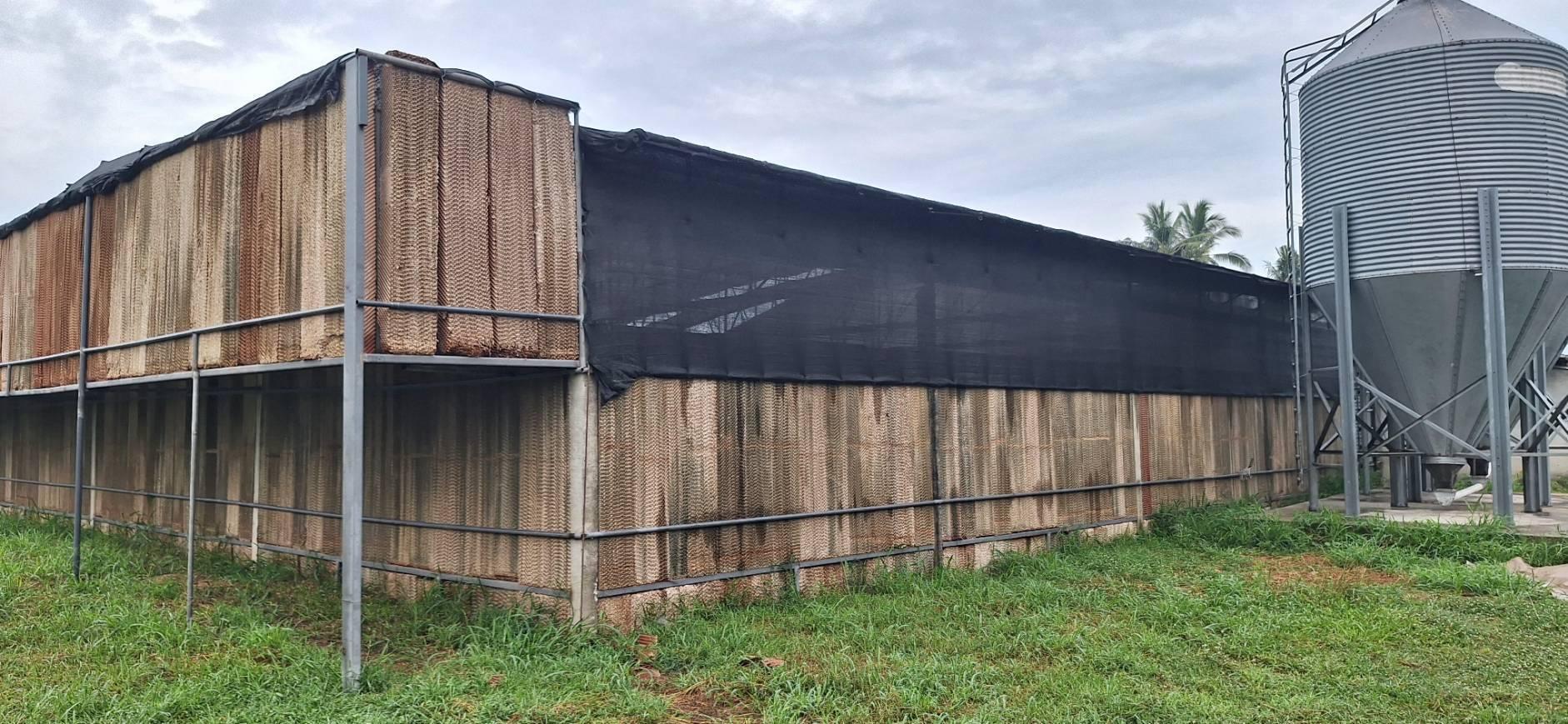
Proactively manages pollution, especially odor and dust issues, through a closed-house system (Evaporative Cooling System) by installing high-efficiency honeycomb panels and ventilation fans, which help reduce the dispersion of dust and unpleasant odors. This also includes comprehensive water management within the farm to prevent impacts on natural water sources.
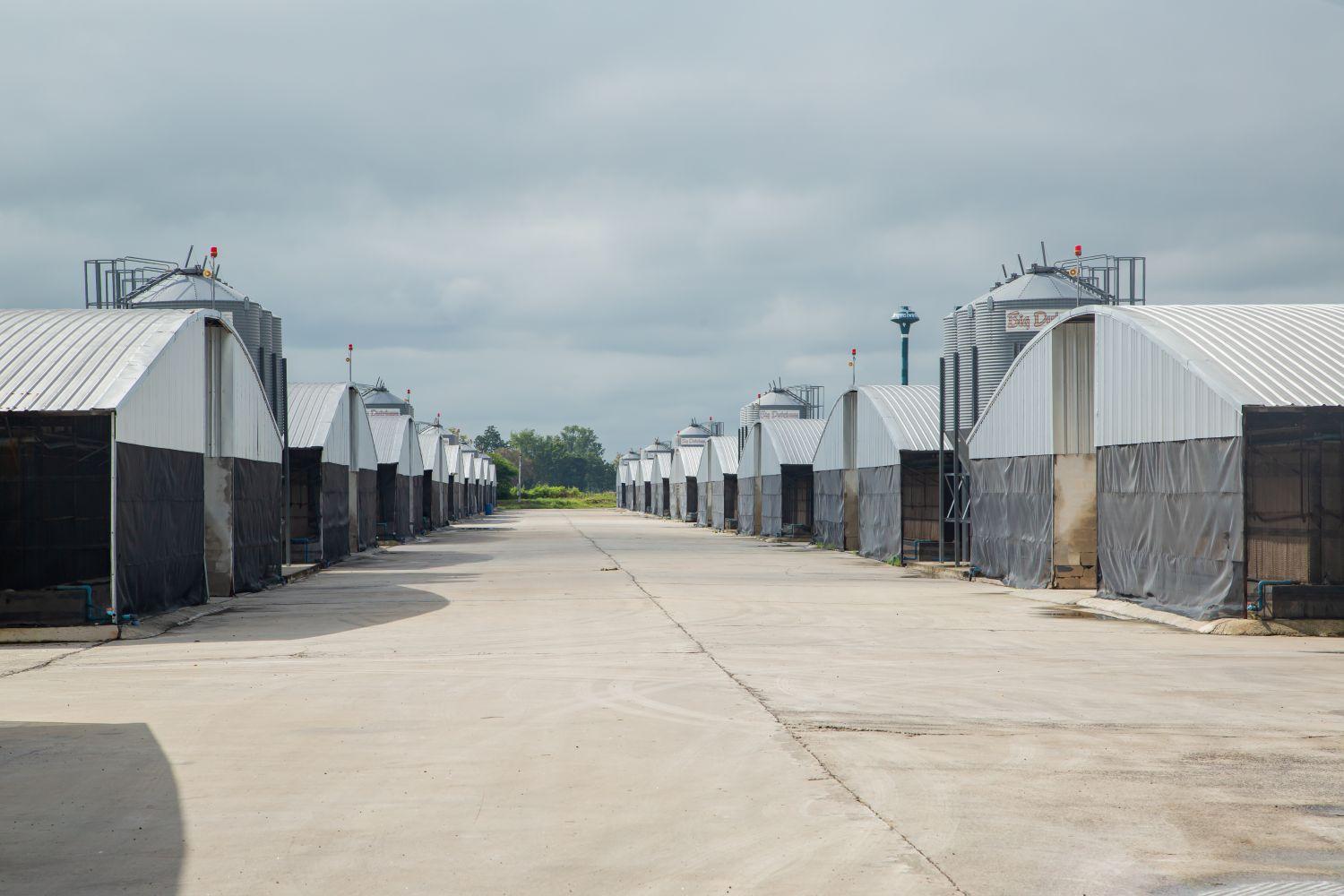
Image of Closed-House System (Evaporative Cooling System) : The core of an international standard and environmentally friendly farm.
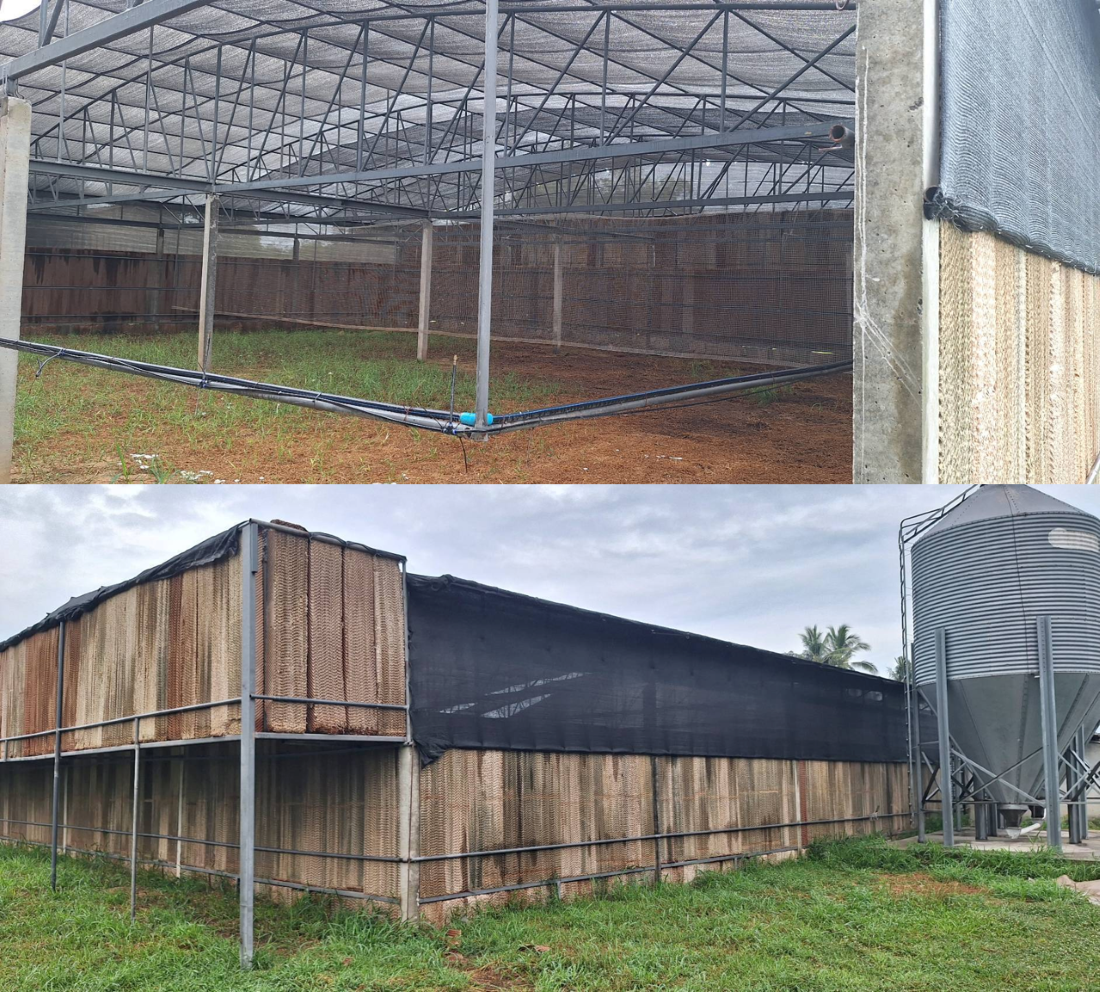
Image of Smart Air Filtration System: The combined operation of cooling pads and high-efficiency fans for dust particle capture.
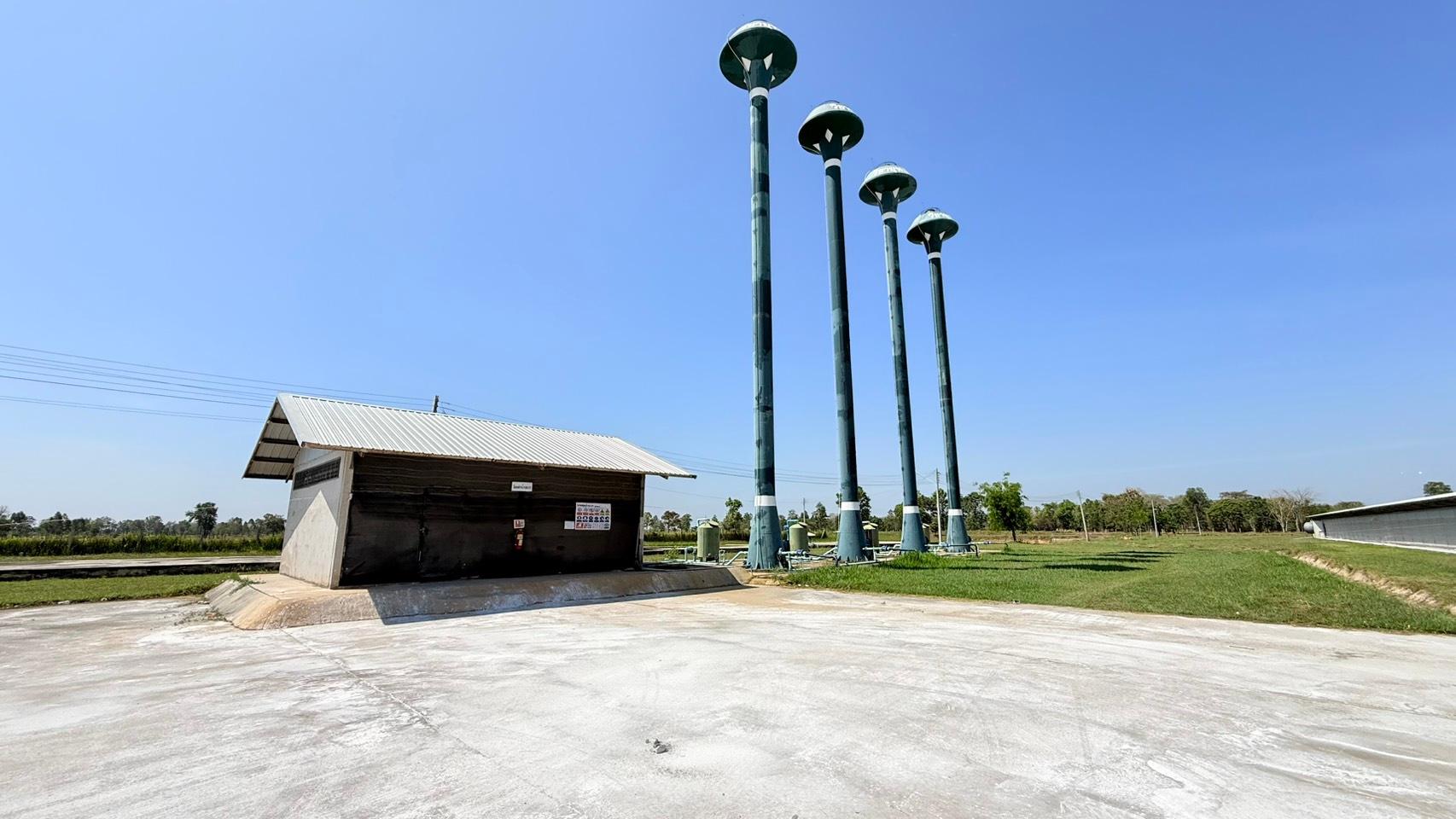
Image of Integrated Water Management System To ensure cleanliness, sufficiency, and environmental friendliness.
-
Conducts air and noise quality inspections according to legally mandated cycles, with the ultimate goal of achieving zero community complaints throughout the year.
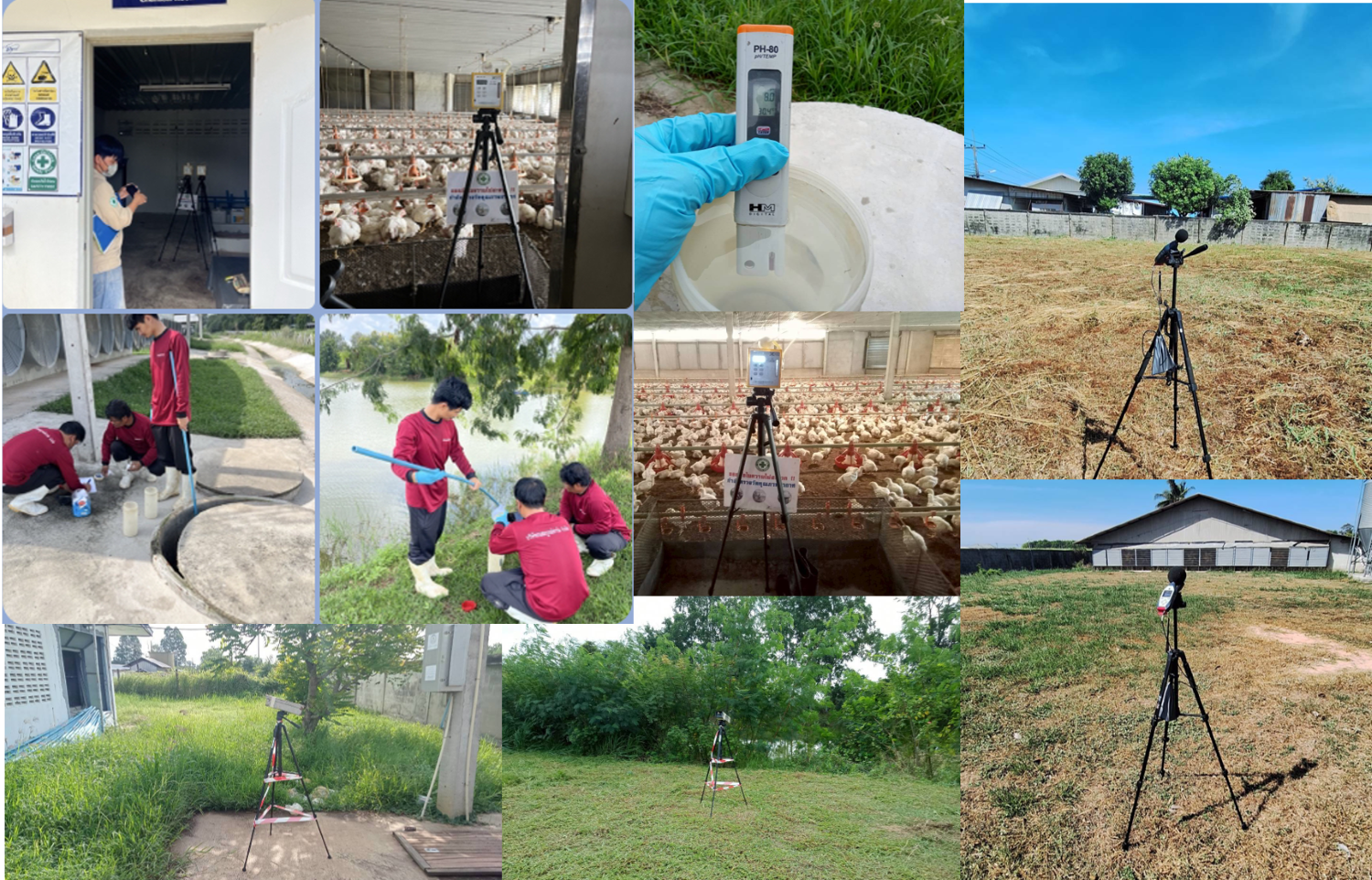
Complaint Management and Proactive Odor Control Innovation (Lahan Sai Farm)
On June 5, 2025, the Company was notified of an odor nuisance issue in Village No. 9, Lahan Sai Subdistrict. CFARM promptly and sincerely addressed the problem to sustainably mitigate its impact on the community. The completed operational results by June 11, 2025, are as follows:
-
Odor Trapping Innovation at the Rear of the Farm Building: Installed an odor trapping system near the fans at the rear of the farm building and initiated the implementation of a system Honeycomb Filter System (U-shaped honeycomb panels) along with a microbial misting system installed 25 meters away from the fans to trap odors and dust particles before releasing clean air outside.
-
Proactive Carcass Disposal Pond Management: Implemented the addition of digestive agents, sprayed deodorizers, and sealed the area around the carcass disposal pond to control odors and prevent impact on the community.
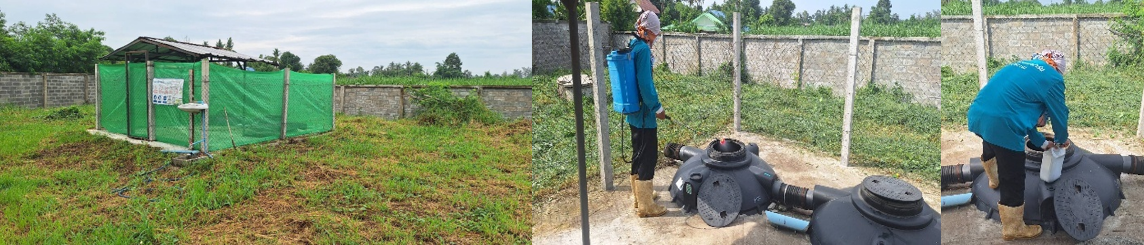
-
Daily Hygiene Measures: Daily continuous spraying of deodorizers, both in the morning and evening, is mandated to consistently maintain good air quality around the farm.
Company's Commitment: All operations were completed ahead of the schedule specified by the Lahan Sai Subdistrict Administrative Organization, reflecting CFARM's good governance as a "Good Neighbor" committed to responding to community concerns and elevating environmental standards with modern technology.
7. Care for Vulnerable Groups and Disaster Relief (Social Welfare)
-
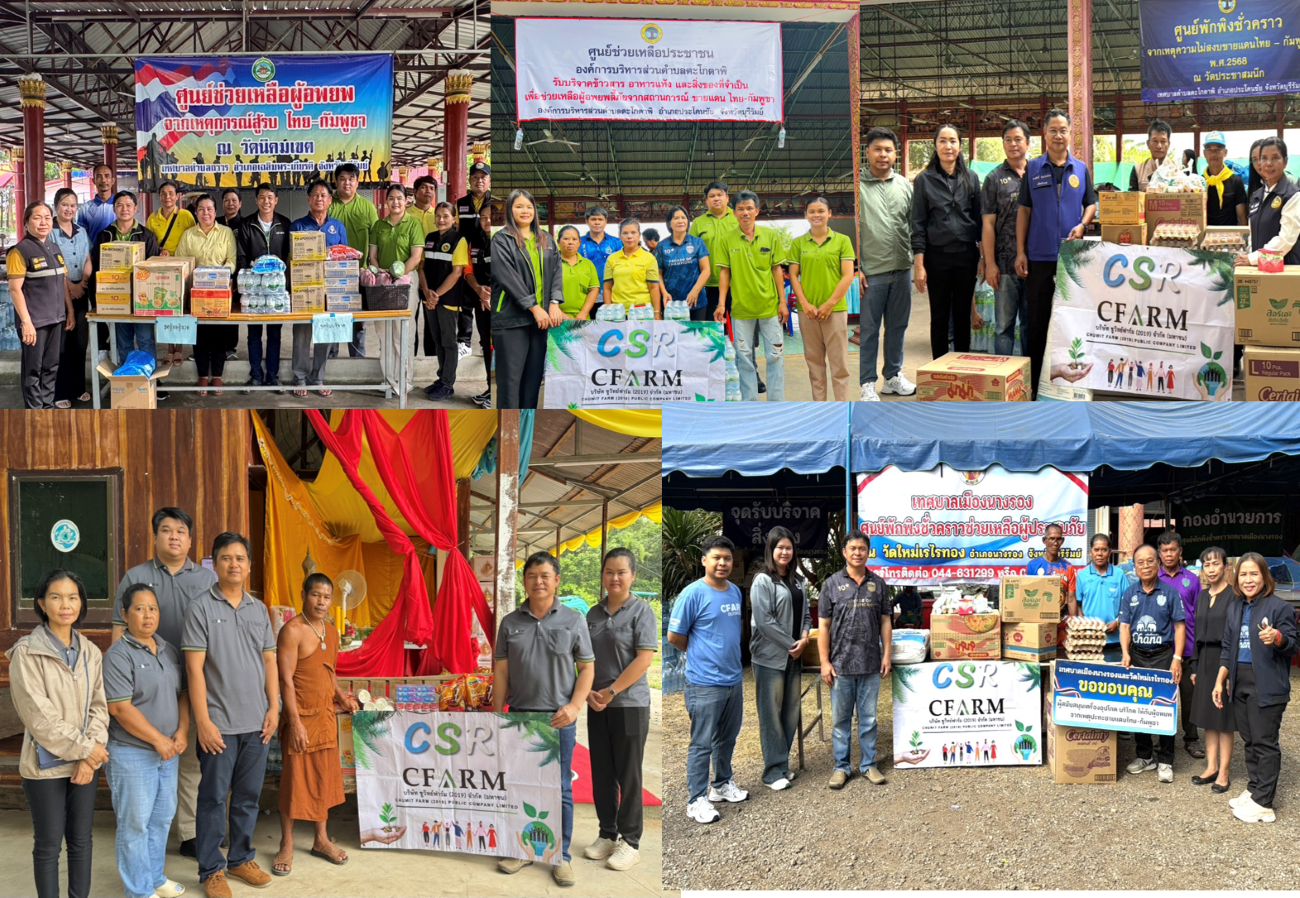
Provided proactive social assistance by serving lunch to students at schools such as Ban Butasum Nong Chot School, Ban Kan Lueang School, and Ban Chum Saeng School, all located in Buriram Province.
Order
Item
Donor / Source
1
CFARM delivers quality meals for children's smiles, providing lunch for children, CSR event #1.
Ban Butasum Nong Chot School
2
CFARM delivers quality meals for children's smiles, providing lunch for children, CSR event #2.
Ban Kan Lueang School
3
CFARM delivers quality meals for children's smiles, providing lunch for children, CSR event #3.
Ban Chum Saeng School
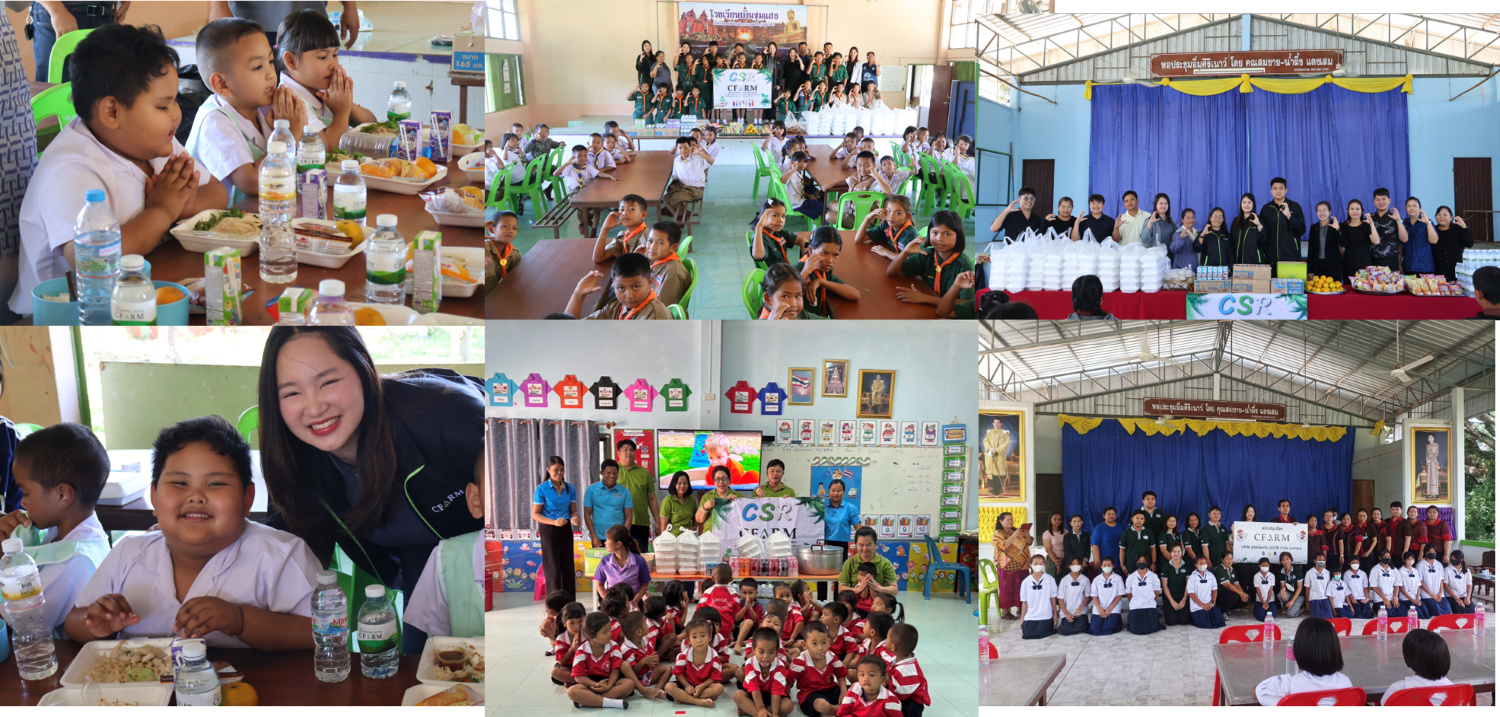
-
Donated money and meal boxes to support the International Day of Persons with Disabilities, in collaboration with the Buriram Provincial Department of Labor Protection and Welfare.
-
Provided urgent assistance during emergencies such as droughts or floods, and prepared contingency plans for unrest situations in border areas.
8. Water Resource Management (Water Management)
-
Utilizes a standardized water recycling and treatment system within the farm, adhering to a Zero Discharge Policy to prevent impacts on public water sources for community consumption.
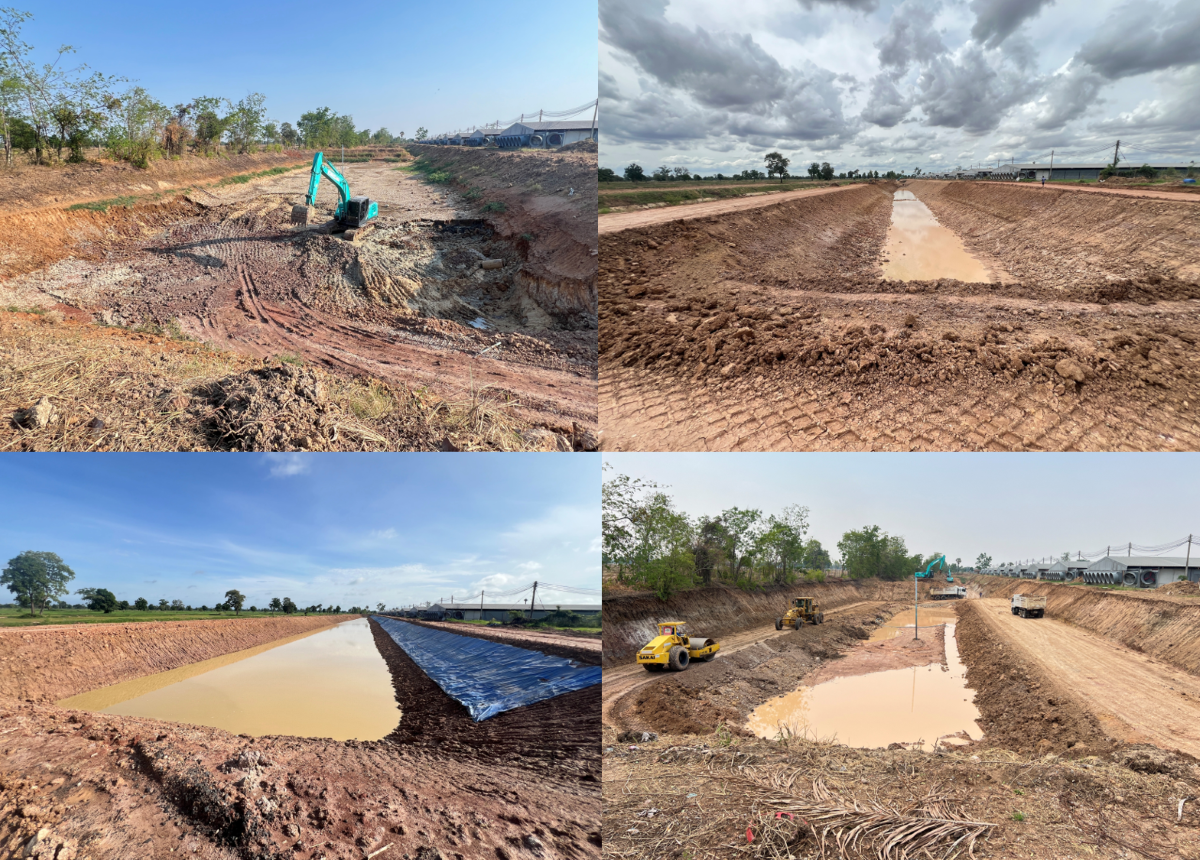
Dredging of ponds to store reserve water for use in production processes, without encroaching on natural water sources, and without discharging wastewater into natural water sources.
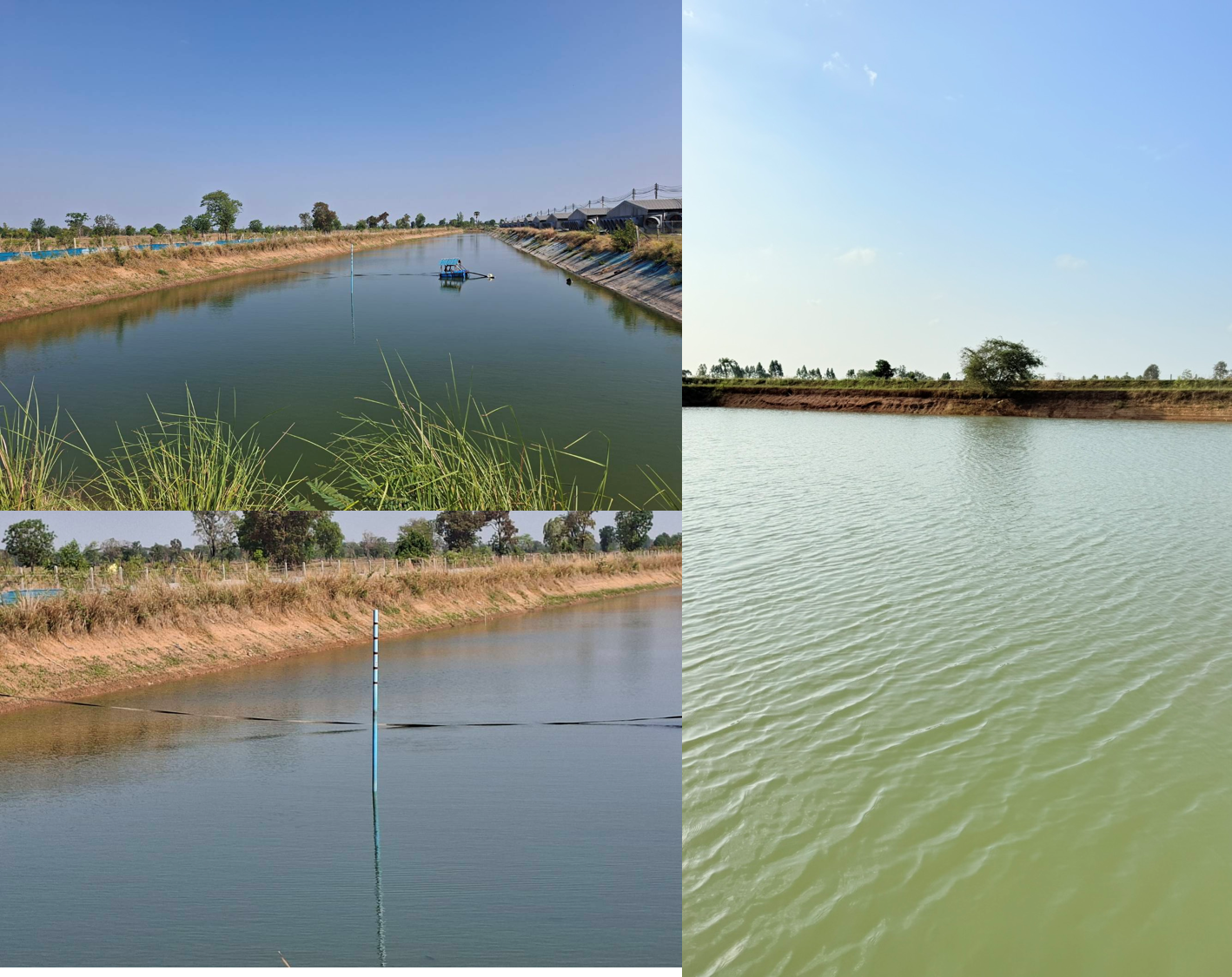
Weekly monitoring of surface water levels to prepare for drought conditions and prevent impacts on production processes.
9. Human Rights & Equality (Human Rights & Equality)
-
Adheres to universal human rights principles in employment, without discrimination based on gender, age, religion, or origin.
-
Provided career opportunities for local persons with disabilities in suitable positions to promote equality and human dignity comprehensively.
-
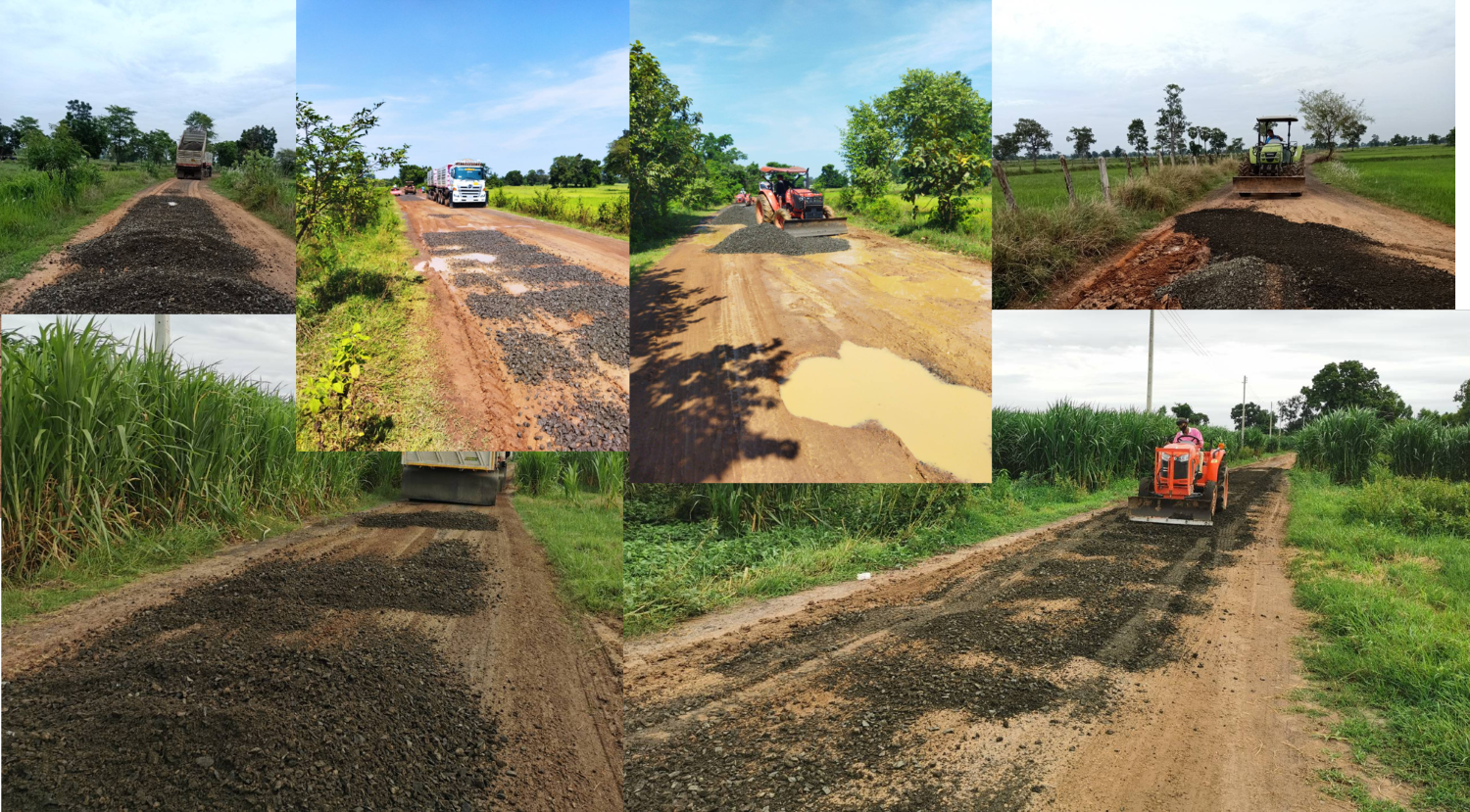
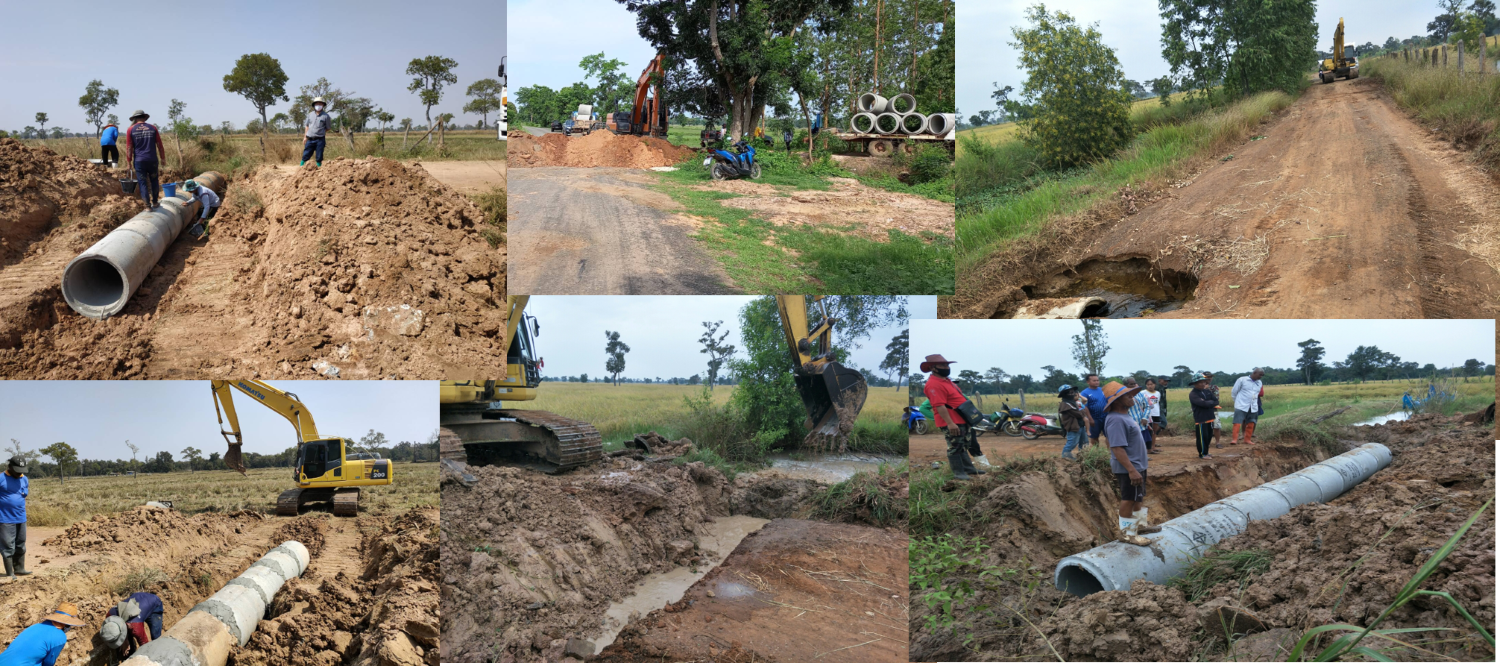
Developed community infrastructure by providing crushed rock to repair public roads in areas near the farm, ensuring safe travel for all community groups.
Law Violation Incidents
Law Violation Incidents
| Metric | Current Year | Previous Year | Two Years Ago |
|---|---|---|---|
| The total number of cases or incidents of significant violations of laws or regulations regarding social and human rights (Cases) | 0 | 0 | 0 |
| The total number of cases or incidents that cause significant labor disputes (Cases) | 0 | 0 | 0 |
| The total number of cases or complaints related to consumer rights violations (Cases) | 0 | 0 | 0 |
| The total number of cases or complaints related to partner rights violations (Cases) | 0 | 0 | 0 |
| The total number of cases or incidents that cause disputes with the community/society (Cases) | 0 | 0 | 0 |
| The total number of cases or incidents related to cyber security or customer data breaches (Cases) | 0 | 0 | 0 |
| The total number of cases or incidents related to safety and occupational health at work (Cases) | 0 | 0 | 0 |